The Secret Life of Zambia’s Rare Sakeji Horseshoe Bat

By Derek Mwale
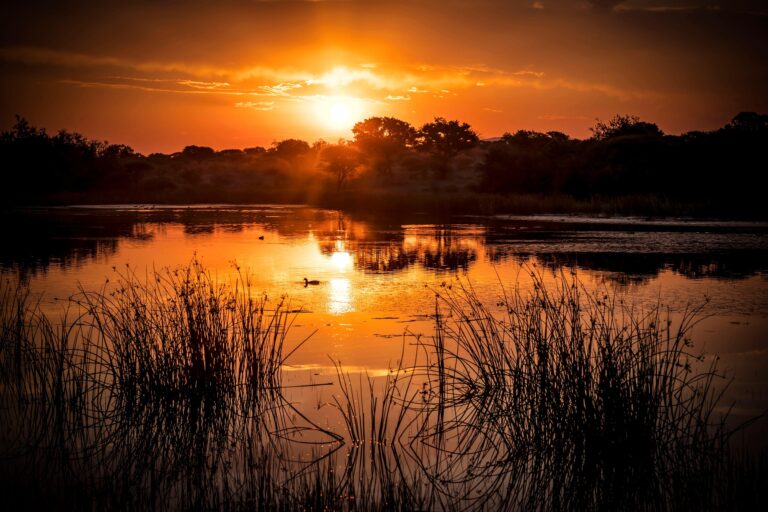
When the sun sets over the forests of Zambia, the world changes.
Daylight animals retreat.
Birdsong fades into silence.
And the African sky slowly fills with stars.
But while most creatures prepare for sleep, another world wakes up.
A world of wings moving silently through the night.
A world of hidden hunters flying beneath moonlight.
Among them lives one of Zambia’s rarest and most mysterious mammals — Sakeji Horseshoe Bat.
It is small.
It is elusive.
And its secret life unfolds almost entirely in darkness.
A Discovery Hidden in the Forest
For centuries, bats have lived quietly in the forests and caves of Zambia.
Yet many species remained unknown to science.
It wasn’t until researchers began studying remote regions of northwestern Zambia that something unusual appeared in their findings.
A bat that looked slightly different.
Its nose structure was unique.
Its calls were distinct.
Its habitat seemed surprisingly limited.
Eventually, scientists recognized it as a completely new species.
And because it was first recorded in the remote forests near Sakeji River, the bat became known as the Sakeji Horseshoe Bat.
A creature named after the quiet landscape that revealed its existence.
The Bat With a Horseshoe Face
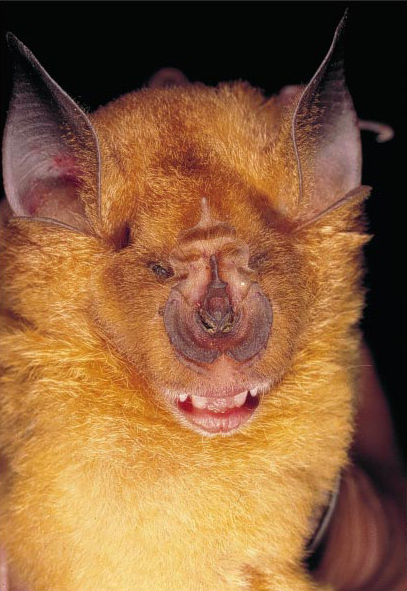
Horseshoe bats are famous for the strange structure on their faces.
Instead of a smooth nose, they carry a folded piece of skin shaped like a tiny horseshoe.
This is not decoration.
It’s technology designed by evolution.
The structure helps the bat control the direction of its echolocation calls — the ultrasonic sounds bats use to navigate and hunt in complete darkness.
When the Sakeji Horseshoe Bat flies through the night, it sends out high-frequency sound waves.
Those waves bounce off insects, trees, and obstacles.
Within milliseconds, the bat’s brain turns those echoes into a detailed map of the world around it.
In darkness where humans would be completely blind, bats move with incredible precision.
It’s like flying with built-in sonar.
A Life Between Darkness and Silence
Unlike many animals that roam freely during the day, bats live in two worlds.
The hidden world of caves and hollow trees during daylight.
And the endless night sky after sunset.
During the day, Sakeji horseshoe bats often rest in sheltered places — caves, rock crevices, or deep forest structures where light barely reaches.
These roosting spots are safe from predators and the harsh heat of the African sun.
But once darkness arrives, everything changes.
The bats emerge silently.
One by one.
Hundreds sometimes leaving their shelter like shadows dissolving into the night.
Their mission is simple:
Find food.
Night Hunters of the Forest
The Sakeji horseshoe bat survives on a diet of insects.
Moths, beetles, and flying bugs that fill the warm African air after sunset.
Using echolocation, the bat can detect tiny insects in complete darkness.
It darts through forest corridors, twisting and turning through branches with astonishing agility.
To a human observer, the night sky may look empty.
But to the bat, it is alive with movement.
A moving feast of tiny flying creatures.
Every insect eaten helps control pest populations that might otherwise overwhelm local ecosystems.
In this way, bats quietly perform one of nature’s most important services.
They keep the insect world balanced.
Why This Bat Is So Rare
The Sakeji horseshoe bat is not widely distributed.
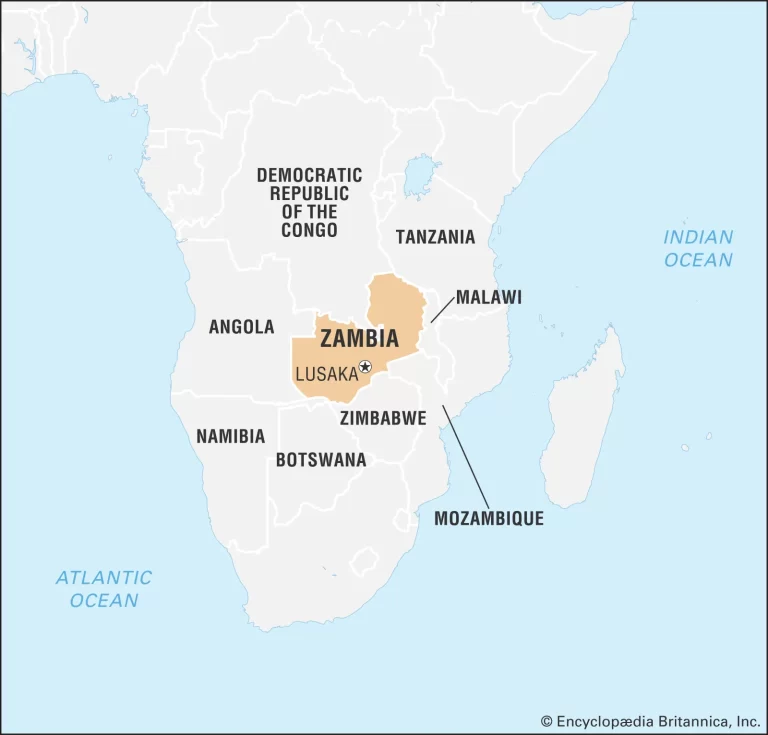
In fact, scientists believe it exists only in a very small geographic region of northwestern Zambia.
That makes it one of the country’s rarest mammals.
Species with such limited ranges are especially vulnerable.
If their habitat changes — through deforestation, mining, or land development — the entire species can be affected.
The forests surrounding the Sakeji River remain some of the least explored ecosystems in southern Africa.
And that remoteness has helped protect this rare bat.
But scientists continue to study the species to understand how secure its population really is.
Because sometimes rarity hides behind silence.
The Misunderstood Creatures of the Night
Across many cultures, bats have long been surrounded by myths.
Some people fear them.
Others see them as mysterious or supernatural.
But science tells a different story.
Bats are among the most important mammals on Earth.
Around the world, they pollinate plants, spread seeds, and control enormous numbers of insects.
Without bats, agriculture would suffer.
Forests would struggle to regenerate.
And ecosystems would lose one of their most effective nighttime guardians.
Even small species like the Sakeji Horseshoe Bat contribute to this delicate balance.
Zambia’s Hidden Biodiversity
When travelers visit Zambia, they often dream of seeing elephants crossing rivers or lions resting beneath acacia trees.
Destinations like South Luangwa National Park or the thunderous Victoria Falls dominate travel brochures.
But Zambia’s real biodiversity story goes much deeper.
The country is home to thousands of species — many of which remain poorly understood.
Tiny mammals.
Rare birds.
Strange insects.
And bats flying silently through forest darkness.
The Sakeji horseshoe bat represents this hidden world.
A reminder that the most fascinating discoveries are often the ones we rarely see.
Why Protecting Forests Matters
For species like the Sakeji horseshoe bat, survival depends on something simple.
Healthy forests.
Forests provide insects for food.
They provide shelter in hollow trees.
They provide the stable ecosystems that allow wildlife to thrive.
When forests disappear, small species often disappear with them.
Protecting Zambia’s natural habitats ensures that rare animals — even the ones that live quietly in darkness — continue to survive.
The Beauty of the Unknown
There is something magical about animals we barely understand.
Creatures that live outside the spotlight.
Creatures whose lives unfold in secret places.
The Sakeji Horseshoe Bat may never appear on postcards.
It may never become as famous as lions or elephants.
But its story matters.
Because it reminds us that nature is still full of mysteries.
Still full of species waiting to be discovered.
Still full of quiet wonders flying through the night.
The Final Reflection
As darkness spreads across the forests of Zambia, a small bat leaves its shelter.
Its wings beat softly against the night air.
Invisible to most people.
But vital to the ecosystem around it.
Somewhere above the trees near the Sakeji River, the rare Sakeji horseshoe bat begins its nightly journey.
A secret life unfolding beneath the stars.
And in that quiet flight lies a simple truth:
Even the smallest creatures carry stories worth protecting.