
Meet Thornicroft’s Giraffe – The Giraffe You Can Only See in Zambia

By Derek Mwale
Some animals roam continents.
Some migrate across oceans.
But some creatures belong so deeply to one place that the land itself feels incomplete without them.
Deep in the wild heart of Zambia, among riverbanks, forests, and golden plains, lives a giraffe unlike any other on Earth.
A giraffe with patterns that look like they were painted by nature’s most careful artist.
A giraffe whose entire world exists in one remarkable valley.
Meet Thornicroft’s Giraffe — the giraffe you can only see in Zambia.
A Giant With a Local Address
When most people think of giraffes, they imagine them scattered across Africa’s savannas.
Tall silhouettes against burning sunsets.
But the Thornicroft’s giraffe is different.
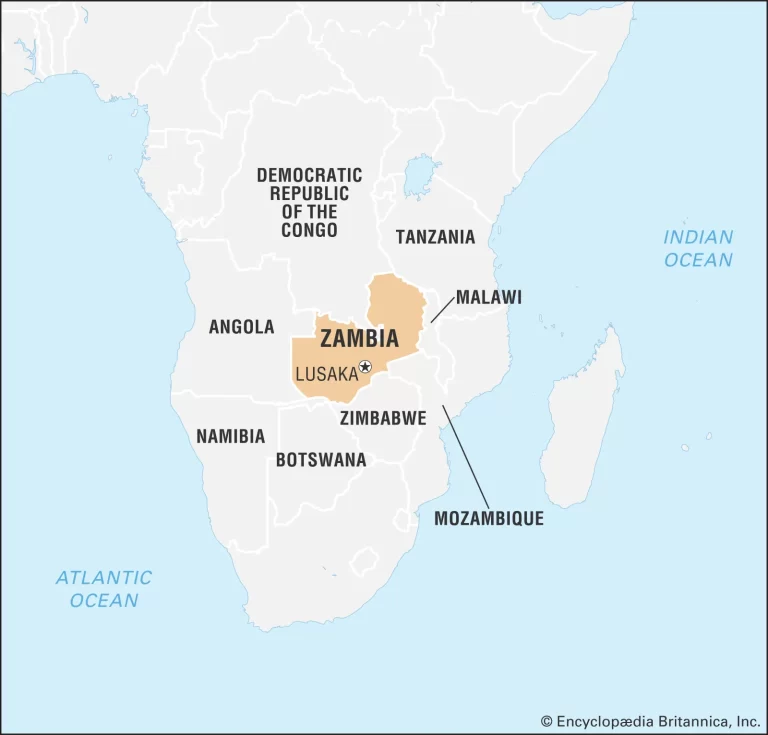
It has a very specific home — the wildlife paradise known as South Luangwa National Park.
This park is not just famous for lions, elephants, and leopards.
It is the only place on Earth where Thornicroft’s giraffes live naturally.
That means if you want to see one in the wild, there’s only one destination on the planet where it can happen.
And that destination is Zambia.
Nature’s Most Elegant Tower
Standing beneath a giraffe is a humbling experience.
These animals can grow up to 5.5 meters tall — taller than many trees’ lower branches.
Their long necks stretch toward the sky like living towers, allowing them to reach leaves that other animals can only dream of tasting.
But Thornicroft’s giraffe has something special.
Its coat pattern.
Instead of the irregular patches seen on other giraffe species, Thornicroft’s giraffes wear bold, star-shaped spots that appear slightly faded at the edges, like ancient paintings weathered by time.
The colors are warm and earthy — rich browns against a creamy background.
Every giraffe has a unique pattern.
Like fingerprints.
Or works of art.
A Valley of Giants
The story of Thornicroft’s giraffe is deeply tied to the Luangwa Valley, one of Africa’s greatest wildlife landscapes.
Flowing through this valley is the mighty Luangwa River, a river that breathes life into the surrounding forests and grasslands.
Here, giraffes roam slowly through open woodlands, browsing leaves from acacia and mopane trees.
They move gracefully despite their towering size.
Almost like dancers moving through the savanna.
Watching them walk is like watching poetry in motion.
Every step is slow, deliberate, and majestic.
Named After an Explorer
The giraffe carries the name of Harry Scott Thornicroft, a colonial administrator who served in what was once called Northern Rhodesia.
Scientists later recognized that the giraffes in the Luangwa Valley were different from other giraffe populations across Africa.
Their appearance, genetics, and isolated habitat made them unique.
So the name Thornicroft’s giraffe was given.
But today, many conservationists prefer to think of it simply as Zambia’s giraffe.
Because its true story belongs to the land that raised it.
Why This Giraffe Lives Only Here
Nature sometimes creates isolation.
Rivers, forests, and geography can separate animal populations over thousands of years.
That’s exactly what happened in the Luangwa Valley.
Long ago, giraffes became isolated in this ecosystem, separated from other populations across Africa.
Over generations, they evolved slightly differently.
Their patterns changed.
Their genetics diverged.
And slowly, they became a distinct subspecies — one that exists nowhere else on Earth.
It’s a reminder that evolution is always working quietly behind the scenes.
Shaping life in ways we don’t always notice.
A Conservation Success Story
At one point in history, many wildlife populations across Africa faced dramatic declines.
But Thornicroft’s giraffe became one of conservation’s quiet success stories.
Today, thousands of them roam the Luangwa Valley, thanks to the protection of South Luangwa National Park and the surrounding conservation areas.
The park is one of Africa’s greatest wildlife sanctuaries, with strict protection measures and responsible tourism helping to safeguard its ecosystems.
Because of this, the giraffes continue to thrive.
Tall silhouettes walking through golden grass at sunset.
A living symbol of what conservation can achieve.
A Photographer’s Dream
For wildlife photographers, spotting Thornicroft’s giraffe is unforgettable.
Picture the scene:
The African sun begins to fall.
The sky turns orange, purple, and crimson.
And against that glowing canvas, a giraffe slowly walks across the horizon.
Its long neck cuts through the sunset like a sculpture carved by light.
Moments like that are why travelers come to Zambia.
Not just for wildlife.
But for experiences that feel timeless.
More Than Just a Safari Animal
The Thornicroft’s giraffe is more than a beautiful animal.
It represents something deeper.
It represents Zambia’s natural identity.
From the thunder of Victoria Falls to the wetlands of Bangweulu Wetlands, the country is filled with natural wonders that remain untouched by mass tourism.
And this giraffe stands proudly among them.
A gentle giant that quietly tells the world:
Zambia is special.
Why Travelers Are Starting to Notice
For decades, many tourists focused on famous safari destinations like Kenya, Tanzania, or South Africa.
But something interesting is happening.
More travelers are discovering Zambia.
They are learning about its walking safaris, its uncrowded national parks, and its unique wildlife.
And when they hear about a giraffe species that exists only here…
Curiosity becomes adventure.
Suddenly, Zambia moves to the top of their travel list.
The Final Reflection
Some animals inspire awe because they are powerful.
Others inspire wonder because they are rare.
The Thornicroft’s Giraffe inspires both.
It stands tall above the trees of the Luangwa Valley, quietly reminding us that nature still holds secrets waiting to be discovered.
If you ever find yourself walking through the wild landscapes of Zambia, keep your eyes on the horizon.
You might see a tall figure moving slowly across the golden plains.
A giraffe found nowhere else on Earth.
A giant of the Zambian wilderness.
And in that moment, you will realize something beautiful:
Some of the world’s greatest treasures are not hidden in museums.
They are walking freely under African skies.