Why Zambia Might Be One of the Most Peacefully Religious Countries in the World

By Derek Mwale
There’s something you notice almost immediately when you spend time in Zambia—not as a tourist rushing between destinations, but as someone paying attention to the rhythm of everyday life.
It’s not loud.
Not chaotic.
Not tense.
It’s calm.
And what makes that calm even more interesting is this: Zambia is deeply religious.
Churches are everywhere. Faith is not hidden—it’s visible, audible, and woven into daily conversation. You’ll hear “God willing,” “by His grace,” or “let’s pray about it” in casual interactions, in business discussions, even in moments of uncertainty.
In many parts of the world, that level of religiosity would come with friction—debates, divisions, or at the very least, visible tension between different beliefs.
But in Zambia?
It’s different.
And that difference is worth understanding—especially in a world where religion is often seen as a fault line rather than a foundation.
A Nation That Chose Faith—But Also Chose Peace
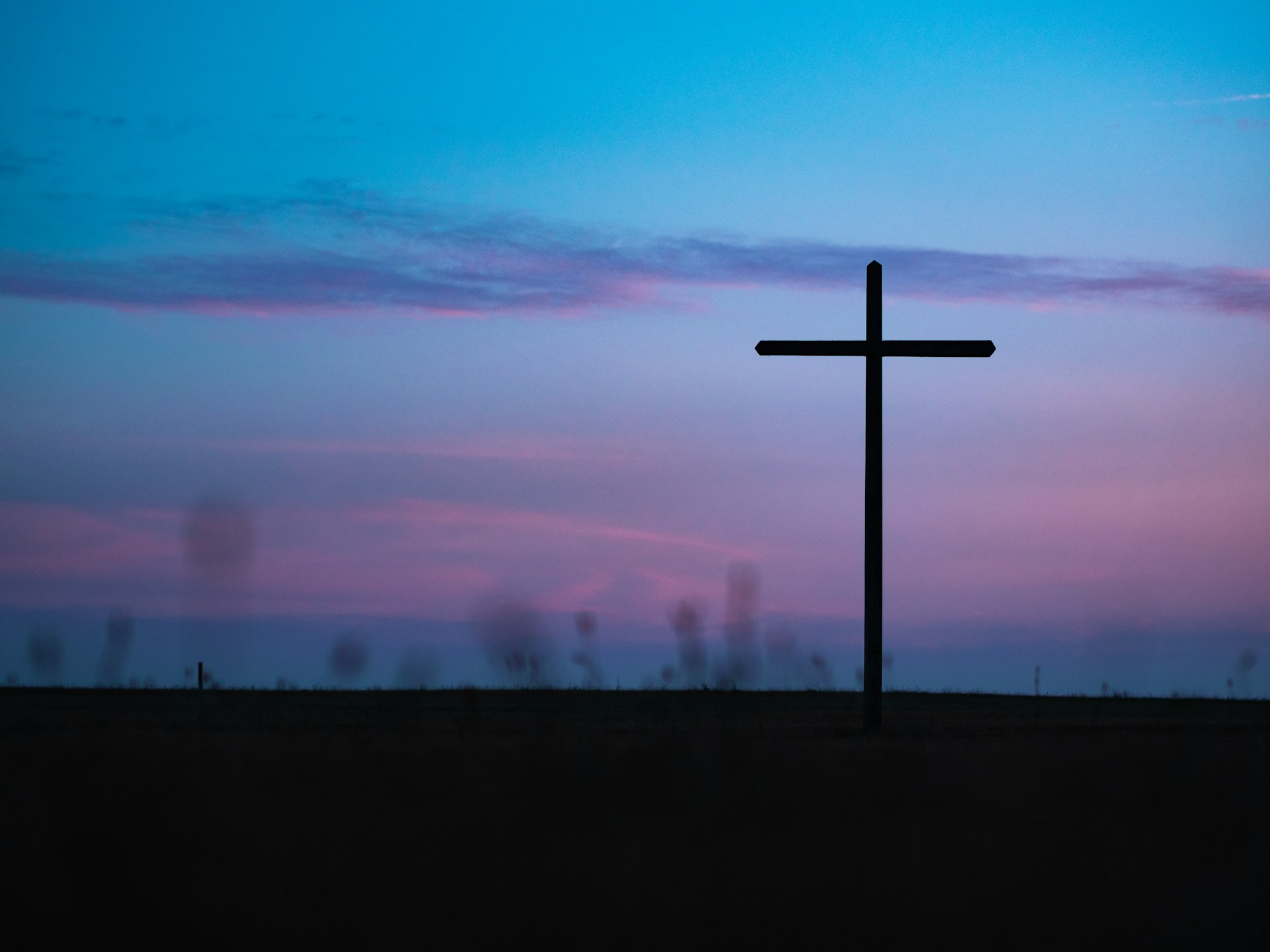
In 1991, Zambia made a defining move. Under the leadership of Frederick Chiluba, the country declared itself a Christian nation.
On paper, that sounds like a decision that could narrow inclusion or create division. In many contexts, it would.
But Zambia’s story didn’t follow that script.
Instead of becoming rigid, the country remained open. Instead of enforcing uniformity, it allowed diversity. Christianity became a cultural anchor—but not a weapon.
Mosques continued to operate. Traditional beliefs remained part of community life. Different Christian denominations coexisted without turning differences into battlegrounds.
The declaration didn’t erase pluralism.
It coexisted with it.
Faith in Zambia Feels… Different
To understand Zambia’s peaceful religious identity, you have to look beyond policy and into behavior.
Religion here isn’t just institutional—it’s relational.
It’s how people greet each other. It’s how they handle conflict. It’s how they interpret success and failure.
But here’s the key difference:
Faith in Zambia is rarely performative dominance. It’s not about proving who is right.
It’s about shared moral language.
That distinction matters.
Because when religion becomes a tool for superiority, it divides. But when it becomes a shared framework for values—kindness, patience, humility—it stabilizes.
And in Zambia, more often than not, it stabilizes.
The Power of “Live and Let Live”
One of the most underrated cultural traits in Zambia is tolerance—not the loud, activist kind, but the quiet, everyday kind.
People don’t feel the need to aggressively challenge each other’s beliefs. There’s a general understanding that faith is personal, even when it’s widely practiced.
This creates space.
And space reduces conflict.
In many societies, religious identity becomes tightly linked to political identity, ethnic identity, or social status. That’s where tension builds.
Zambia, for the most part, has managed to keep those lines from overlapping too aggressively.
Faith exists.
But it doesn’t have to fight.
Compare the Global Context
Let’s zoom out for a second.
Around the world, religion often sits at the center of conflict—whether it’s political, cultural, or historical.
From sectarian tensions in parts of the Middle East to religious polarization in Western democracies, faith frequently becomes a dividing line.
Even in Africa, there are countries where religious differences have led to real instability.
Zambia has largely avoided that trajectory.
And that raises an important question:
Why?
It’s Not Just Religion—It’s Culture
Here’s where the deeper insight lies.
Zambia’s peaceful religious environment isn’t just about religion.
It’s about culture.
There’s a strong emphasis on respect, community, and social harmony. Confrontation is generally avoided. Dialogue tends to be measured rather than explosive.
Religion fits into that cultural framework—it doesn’t override it.
In other words, Zambian culture shapes how religion is practiced more than religion shapes the culture.
That’s a subtle but powerful dynamic.
Because it means even strong beliefs are filtered through a lens of coexistence.
The Role of Diversity Without Division
Zambia is home to multiple ethnic groups, languages, and traditions. Diversity is not new—it’s normal.
And when diversity is normal, difference becomes less threatening.
That mindset carries into religion.
Different denominations? Normal.
Different interpretations? Expected.
Different beliefs altogether? Still part of the landscape.
When people grow up in environments where difference is part of daily life, they’re less likely to see it as something that needs to be eliminated.
Instead, it becomes something to navigate.
Peacefully.
Faith as a Social Glue
There’s also a practical side to this.
Religion in Zambia often functions as a social connector.
Churches aren’t just places of worship—they’re community hubs. They support families, organize events, provide moral guidance, and sometimes even fill gaps where institutions fall short.
That creates a sense of belonging.
And belonging reduces friction.
Because when people feel connected—to each other, to shared values, to a larger purpose—they’re less likely to turn differences into conflict.
The Tourism Angle: A Different Kind of Experience
Now let’s bring this back to travel.
When people think about visiting Zambia, they think about nature—and rightly so.
But there’s another layer to the experience that doesn’t get marketed enough:
the feeling.
Zambia feels peaceful.
Not just because of its landscapes, but because of its people.
Because of how interactions unfold. Because of the absence of tension in everyday exchanges. Because of the quiet presence of faith that doesn’t overwhelm—it reassures.
For travelers, that matters.
In a world where many destinations feel crowded, rushed, or emotionally draining, Zambia offers something different:
a sense of ease.
And that ease is partly rooted in its religious culture.
The Risk of Taking It for Granted
Here’s the reality, though.
Peaceful systems often go unnoticed—until they’re disrupted.
Zambia’s religious harmony is not guaranteed. It’s maintained through behavior, through choices, through an ongoing commitment to coexistence.
And like any system, it can change.
Global influences, political shifts, economic pressures—these things can reshape how religion is expressed and experienced.
Which is why understanding what makes Zambia unique isn’t just an academic exercise.
It’s a way of protecting it.
What the World Can Learn
If there’s one takeaway from Zambia’s example, it’s this:
Religion doesn’t have to divide.
But it also doesn’t automatically unite.
The outcome depends on how it’s practiced, how it’s integrated into culture, and how people choose to engage with difference.
Zambia shows that it’s possible to be deeply religious without being deeply divided.
That’s not a small achievement.
That’s a model.
Final Thought
There’s a quiet moment you might experience in Zambia—maybe it’s during a Sunday morning, hearing distant singing from a church. Maybe it’s in a conversation where someone casually brings faith into the discussion without making it heavy.
It doesn’t feel forced.
It doesn’t feel political.
It just feels… natural.
And in that moment, you start to understand something:
Peace isn’t always the result of big policies or grand strategies.
Sometimes, it’s the result of small, consistent behaviors repeated across millions of people.
Zambia may not be perfect.
No country is.
But when it comes to the relationship between religion and peace, it’s doing something right.
Something the rest of the world might want to pay closer attention to.