The Culture Code: Understanding Zambian Hospitality

By Derek Mwale
There’s something about Zambia that doesn’t announce itself loudly.
It doesn’t fight for attention the way global destinations do. It doesn’t flood your feed with curated perfection. It doesn’t try to impress you.
And yet—if you stay long enough—it changes you.
Not because of what you see.
But because of how you are treated.
This is the part most travel guides miss.
They’ll tell you about Victoria Falls, the safaris in South Luangwa National Park, or the sunsets over the Zambezi.
But they won’t tell you about the culture code.
The invisible system.
The unwritten rules.
The quiet rhythm of human connection that defines Zambian hospitality.
And once you understand it, you realize something deeper:
You were never just visiting Zambia.
You were being welcomed into it.
1. “You Are Not a Stranger Here”
In many parts of the world, hospitality is a service.
In Zambia, it is identity.
Walk into a home in Lusaka, or a small compound in Ndola, and you’ll notice something immediately—people don’t treat you like an outsider trying to enter their space.
They treat you like someone who belongs.
It’s subtle.
No grand speeches. No over-the-top gestures.
Just simple things:
- A chair appears before you ask
- Water is offered without hesitation
- Food is shared, even when there isn’t much
In Western cultures, hospitality often asks, “What do you need?”
In Zambia, it assumes:
“You must need something—let me take care of you.”
That difference changes everything.
2. The Power of Greeting: Respect Before Everything
Before business.
Before conversation.
Before anything.
There is greeting.
In Zambia, how you greet someone is not a formality—it is a measure of your character.
A simple:
- “Muli shani?”
- “How are you?”
Is not a checkbox.
It’s an opening ritual.
It says:
I see you.
I acknowledge you.
You matter before the reason I came here.
Rush past this, and you’ll feel the shift immediately.
Take your time with it, and doors—literal and emotional—open.
Zambian hospitality is not fast.
It is intentional.
3. Sharing Is Not Optional—It’s Cultural Currency
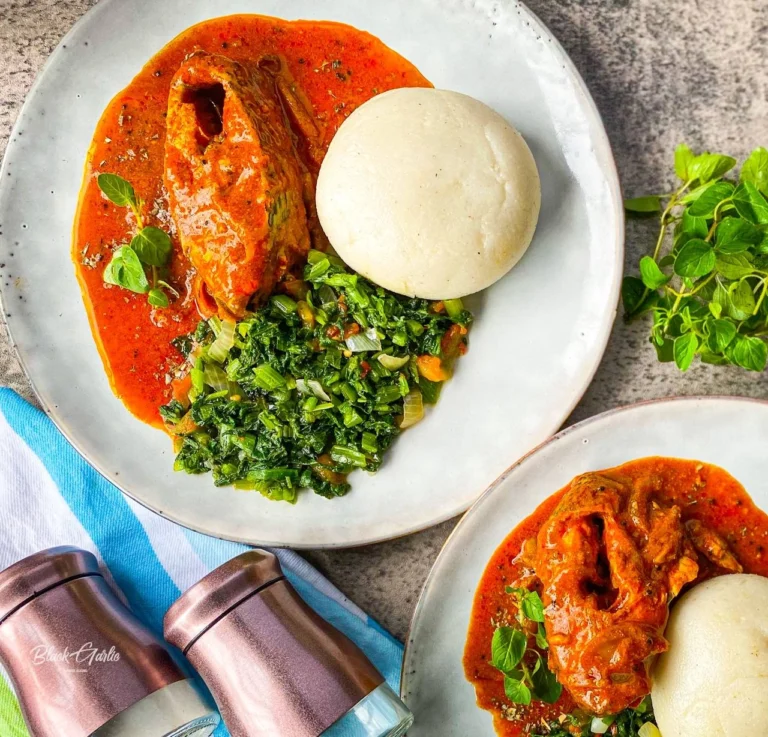
If you ever find yourself offered food in Zambia, understand this:
It’s not just food.
It’s trust.
In many homes, especially outside the polished parts of Livingstone or the business zones of Lusaka, people don’t wait until they have “enough” to share.
They share what they have.
And sometimes, that means:
- Dividing portions
- Stretching meals
- Offering you the best part
Why?
Because in Zambian culture, generosity is not measured by abundance.
It’s measured by willingness.
There’s a quiet philosophy here:
If we can eat, you can eat.
And if you refuse too quickly, you’re not just declining food—you might be unknowingly rejecting connection.
4. Time Moves Differently Here
One of the biggest misunderstandings travelers have is this:
They think Zambia is “slow.”
But it’s not.
It’s just not rushed.
There’s a difference.
In cities like Kabwe or rural areas beyond Kafue National Park, time is not treated like a resource to be squeezed.
It’s treated like a space to exist within.
Conversations stretch.
Visits linger.
Moments are not cut short for efficiency.
And within that slower pace, hospitality breathes.
You’re not being rushed out of someone’s home.
You’re not being timed.
You’re being hosted.
5. Community Over Individualism
In many parts of the world, independence is the ultimate goal.
In Zambia, interdependence is the foundation.
Hospitality here doesn’t just come from individuals—it comes from communities.
Visit a neighborhood, and it’s not just one person looking out for you.
It’s:
- The neighbor watching who comes and goes
- The auntie who asks if you’ve eaten
- The kids who guide you even when they don’t fully know where you’re going
There’s a shared responsibility:
If you are here, you are under our care.
This is why even in unfamiliar places, you rarely feel completely alone.
Because in Zambia, belonging is not earned.
It’s extended.
6. Politeness Is Not Weakness—It’s Strength
Zambian hospitality is soft—but don’t mistake that for weakness.
The politeness, the calm tone, the patience—it’s all intentional.
It creates space.
It reduces friction.
It allows relationships to form without tension.
Even in disagreements, there’s a level of respect that holds everything together.
You won’t always see loud confrontations.
Instead, you’ll see:
- Measured words
- Careful tone
- A desire to preserve harmony
Because hospitality is not just about how you treat guests.
It’s about how you treat everyone.
7. The Unspoken Rule: Leave Better Than You Came
Here’s the part no one tells you.
Zambian hospitality doesn’t just impact your trip.
It challenges you.
After experiencing it, you start to notice:
- How transactional interactions feel elsewhere
- How rare genuine warmth has become
- How often people give only when it’s convenient
And slowly, something shifts.
You start:
- Greeting people differently
- Sharing more openly
- Being more patient with time
- Seeing strangers as less “other”
Because the real gift of Zambia is not what it gives you in the moment.
It’s what it leaves in you after you go.
8. Why This Matters More Than Tourism
When people talk about promoting Zambia as a travel destination, they focus on infrastructure.
Roads. Hotels. Marketing.
But the real asset—the one that cannot be replicated—is cultural.
You can build resorts anywhere.
You can recreate luxury.
But you cannot manufacture:
- Genuine warmth
- Community-driven care
- Unscripted generosity
That is Zambia’s competitive advantage.
Not just in Africa.
But globally.
Final Thought: Zambia Doesn’t Host You—It Absorbs You
By the time you leave, something feels different.
Not dramatically. Not loudly.
Just… shifted.
You realize the best part of your trip wasn’t:
- The photos
- The landmarks
- The itinerary
It was the people.
The way they:
- Made space for you
- Fed you
- Slowed down for you
- Treated you like you were never a stranger
And that’s when it hits you:
Zambian hospitality is not an experience.
It’s a culture code.
One that says:
You don’t have to earn your place here.
You just have to arrive.
And maybe—just maybe—that’s what the world has been missing.