Places in Zambia People Avoid After Sunset

By Derek Mwale
There’s a version of Zambia you know.
The one in photos.
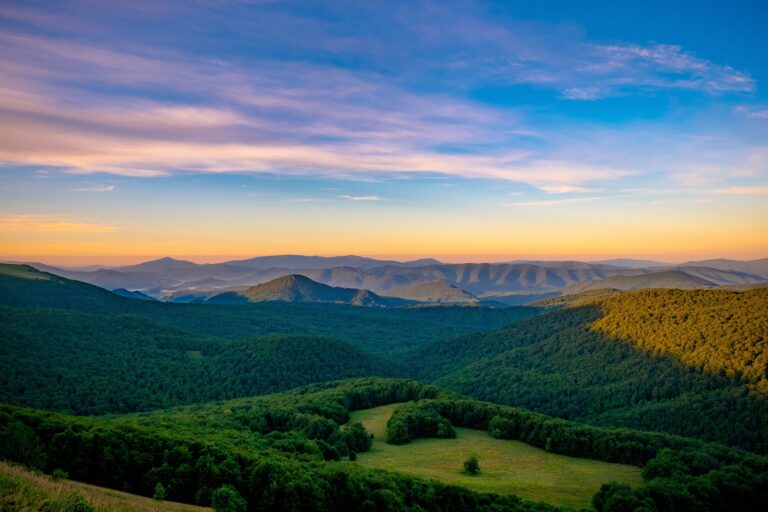
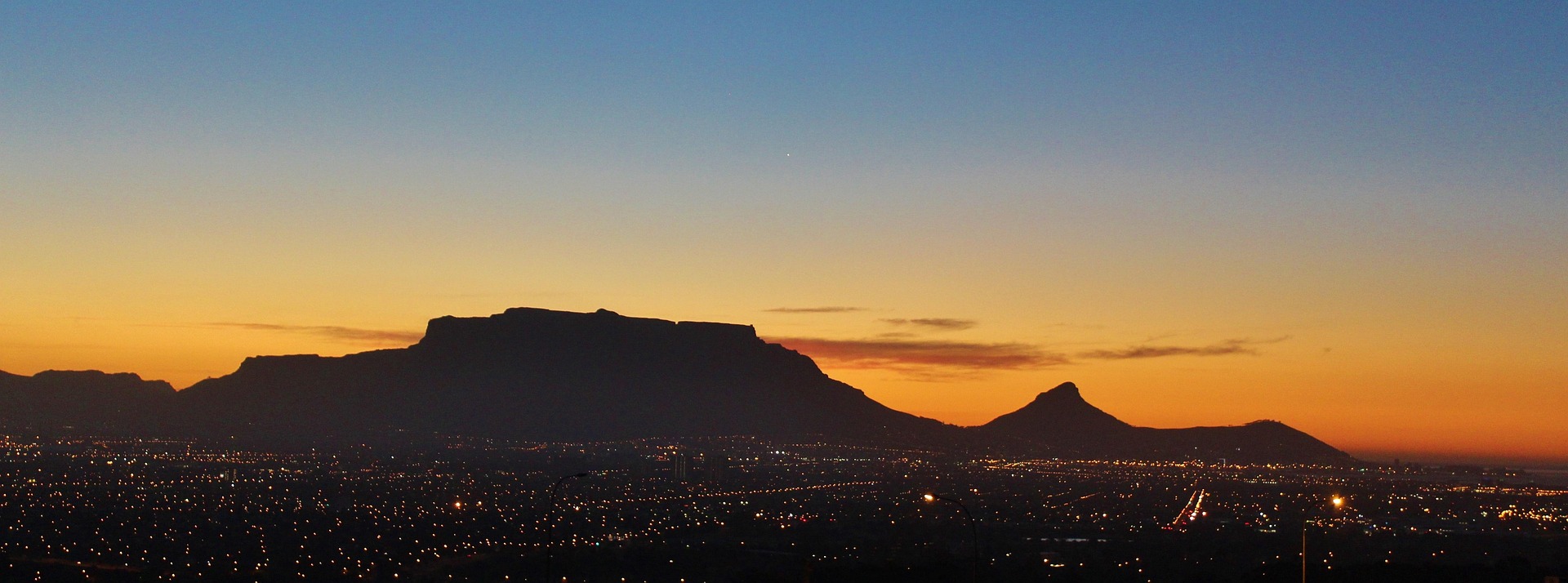
Golden sunsets melting into the horizon. Rivers that move like time itself—slow, steady, patient. Smiles that feel warm before a single word is spoken.
That Zambia is real.
But it’s not the whole story.
Because when the sun goes down… something shifts.
Not dramatically. Not like in movies where everything suddenly turns dark and dangerous.
No.
It’s quieter than that.
Subtle.
A change in energy you don’t notice immediately—but once you feel it, you can’t unfeel it.
And that’s the Zambia people don’t talk about.
The Zambia people avoid after sunset.
The Thing About Darkness
Darkness in Zambia is not the same as darkness in cities.
In cities, darkness is interrupted.
Streetlights. Car headlights. Neon signs fighting against the night.
You’re never truly in the dark.
But in many parts of Zambia?
Darkness is complete.
It’s not just the absence of light.
It’s the presence of something else.
Silence.
Space.
The unknown.
And for people who are used to controlling their environment, that kind of darkness feels uncomfortable.
So they avoid it.
Not always because something has happened…
But because something could.
The Roads That Change at Night
There are roads in Zambia that feel normal during the day.
Busy, even.
People moving. Conversations happening. Life unfolding in a way that feels predictable.
Then night comes.
And those same roads become something else entirely.
The movement slows.
Then disappears.
Shops close. Voices fade. Even the air feels heavier.
You walk down that same path and suddenly you’re aware of everything.
Your footsteps.
The distance between you and the next person.
The way shadows stretch longer than they should.
Nothing has changed.
But everything has changed.
And locals know it.
That’s why you’ll hear things like:
“Don’t pass there too late.”
Not because it’s forbidden.
But because it’s understood.
The Markets After Hours
During the day, markets are alive.
Loud. Chaotic. Full of energy that feels almost overwhelming.
People shouting prices. Laughter breaking through the noise. Movement in every direction.
It feels like the center of everything.
But go there after sunset…
And it’s almost unrecognizable.
Stalls empty.
Tarps flapping in the wind.
Leftover scents of food and dust hanging in the air.
It’s not dangerous in an obvious way.
But it feels… abandoned.
And humans are not wired to feel comfortable in places that were once full of life and suddenly aren’t.
It creates a kind of tension.
A question without an answer:
“What happened here?”
The Riverbanks at Night
Rivers in Zambia are beautiful.
Calm. Reflective. Peaceful.
During the day, they feel like places of rest.
But at night?
They become something else.
The water is darker.
The sounds are louder.
Things move that you can’t see.
And the stillness is broken by noises that don’t explain themselves.
A splash.
A ripple.
Something shifting just beyond your vision.
It’s not always danger.
But it feels like it could be.
And that’s enough.
That’s why people don’t linger there after sunset.
Not because they’ve been told to leave.
But because their instincts tell them to.
The Unfinished Places
Every town has them.
Buildings that were started… but never finished.
Structures that stand still while everything around them moves forward.
During the day, they’re just part of the background.
Easy to ignore.
But at night?
They stand out.
Dark outlines against darker skies.
Windows that look like empty eyes.
Spaces that feel like they’re holding onto something.
Maybe it’s imagination.
Maybe it’s history.
Maybe it’s just the human tendency to assign meaning to emptiness.
But whatever it is…
People avoid those places after sunset.
Not out of fear.
But out of discomfort.
The Stories That Travel Without Proof
Zambia is full of stories.
Not written.
Not documented.
But shared.
Quietly.
From person to person.
“Something happened there.”
“I heard about that place.”
“They say you shouldn’t go at night.”
No one explains fully.
No one needs to.
Because the story is not meant to inform.
It’s meant to warn.
And even if you don’t believe it…
A part of you listens.
That’s how culture works.
Not everything is proven.
But everything is felt.
Fear Without a Face
Here’s the interesting part.
Most of the places people avoid after sunset are not officially dangerous.
There are no signs.
No warnings.
No statistics telling you to stay away.
But behavior doesn’t lie.
People move differently at night.
They choose different routes.
They avoid certain spaces.
And when you ask why…
The answers are never clear.
It’s not fear of something specific.
It’s fear of possibility.
And sometimes, that’s stronger than anything real.
The Role of Imagination
Darkness gives your mind space to create.
Shapes become figures.
Sounds become signals.
Silence becomes tension.
In the daytime, your brain is busy processing information.
At night, with less to see…
It starts filling in the gaps.
And not always in a rational way.
That’s why a place that feels normal during the day can feel unsettling at night.
Not because it changed.
But because you did.
The Truth Most People Miss
It’s easy to assume that places avoided after sunset are dangerous.
But that’s not always true.
Sometimes, they’re just unfamiliar in a different light.
Sometimes, they force you to confront something you’re not used to:
Stillness.
Silence.
Lack of control.
And in a world where people are constantly distracted…
That can feel overwhelming.
The Deeper Meaning
Maybe it’s not about the places at all.
Maybe it’s about us.
Maybe we avoid certain places at night because they remind us of something we don’t like to face.
The unknown.
The part of life that doesn’t come with explanations.
The reality that not everything is meant to be understood.
And Zambia, in its rawness, still holds onto that.
It hasn’t been fully explained.
Fully controlled.
Fully lit.
And that’s rare.
Final Thought
There are places in Zambia people avoid after sunset.
Not because they’re marked as dangerous.
Not because something always happens there.
But because they feel different.
And sometimes, feeling is enough.
Because the most powerful experiences are not always the ones you can explain.
They’re the ones that stay with you…
Long after you’ve left.
So maybe the question isn’t:
“Why do people avoid these places?”
Maybe the real question is:
“What is it about the night… that reveals what the day hides?”
And if you ever find yourself walking through Zambia after sunset…
Pay attention.
Not just to where you are.
But to how you feel.
Because that feeling?
That’s the story nobody tells.