
Exploring Serenje: Zambia Beyond the Big Cities

By Derek Mwale
When most people imagine opportunity in Zambia, they imagine movement.
Fast movement.
Traffic. Buildings. Noise. Crowded streets. Expensive cafés. Endless minibuses. Everybody trying to become somebody at the same time. The national imagination is heavily concentrated around big cities like Lusaka, Ndola, Kitwe, and Livingstone. These places dominate conversations about business, culture, and the future.
Meanwhile, towns like Serenje sit quietly in the background.
Almost invisible to the national spotlight.
And maybe that’s why they matter so much.
Because if you really want to understand Zambia beyond the surface level — beyond social media performance, beyond political headlines, beyond urban survival culture — you have to explore places like Serenje.
That’s where you begin to see the country differently.
Serenje does not immediately overwhelm you with spectacle. It doesn’t try to impress you with skyscrapers or giant shopping malls. The town moves with a calmer rhythm. Life feels slower there, but not empty. There’s a difference.
A place can be slow without being lifeless.
In fact, some places move slowly because they still have connection to reality.
And Serenje feels connected to something deeper than speed.
Modern life has trained people to associate importance with intensity. If a place is noisy, crowded, and constantly trending online, people assume it matters more. But some of the most important places in a country are the ones quietly holding everything together while nobody is paying attention.
That’s how Serenje feels.
You begin to notice it in small ways.
The atmosphere feels grounded.
People feel present.
Conversations last longer.
The environment feels less emotionally exhausted.
That last part matters more than people realize.
Many major cities today are psychologically overwhelming. Everyone is rushing. Everyone is under pressure. Everyone is trying to survive rising costs, rising expectations, rising competition. People barely have time to think deeply anymore.
But when you enter places like Serenje, something changes.
You can hear your own thoughts again.
And maybe that’s one reason smaller towns continue to matter in the future of Africa.
Because innovation is not only built with infrastructure.
It is also built with mental space.
Serenje carries that space.
The town sits within a Zambia many people overlook — a Zambia beyond urban narratives. A Zambia where agriculture still shapes daily life. Where landscapes feel open. Where community structures still exist naturally instead of artificially. Where identity hasn’t been completely swallowed by internet culture yet.
That doesn’t mean Serenje is disconnected from the modern world.
Far from it.
The internet is slowly changing everything.
Young people in Serenje are seeing global culture in real time now. They watch the same videos, trends, music, business content, and technological innovations as young people in major cities. The difference is that they experience those ideas from a different environment.
And that difference could become powerful.
Because smaller towns often produce a different type of thinker.
In giant cities, people are constantly reacting.
In quieter places, people observe more deeply.
Observation creates perspective.
Perspective creates originality.
That’s why some of the most transformative ideas in history emerged far away from the loudest places. Distance from chaos can sharpen vision.
Serenje feels like one of those places where future ideas could quietly emerge.
Not because the town is perfect.
Not because development is complete.
But because possibility still feels open there.
That openness matters.
Many large cities already feel trapped inside systems too complicated to fully repair. Congestion grows. Housing becomes unaffordable. Pressure increases. Human connection weakens. Everything becomes optimized for survival instead of imagination.
But smaller towns like Serenje still contain flexibility.
You can still imagine what they could become.
Better roads.
Better digital infrastructure.
Creative spaces.
Tech hubs.
Agricultural innovation centers.
Tourism ecosystems.
Media platforms.
Youth entrepreneurship networks.
The future feels editable there.
That phrase matters:
editable future.
Some environments already feel emotionally finished. Serenje does not.
The town still feels like unfinished potential.
And unfinished potential is one of the most valuable things any place can possess.
Because once people stop imagining futures for a place, stagnation begins.
But Serenje still inspires imagination.
Especially when you think about the role smaller towns may play in Africa’s next economic transformation.
For decades, African development models focused heavily on centralizing opportunity inside major urban centers. Everybody moved toward capitals because that’s where jobs, education, infrastructure, and investment concentrated.
But technology is beginning to decentralize opportunity itself.
A young person in Serenje can now:
- learn software development online,
- build a digital business,
- create content for global audiences,
- sell products online,
- study artificial intelligence,
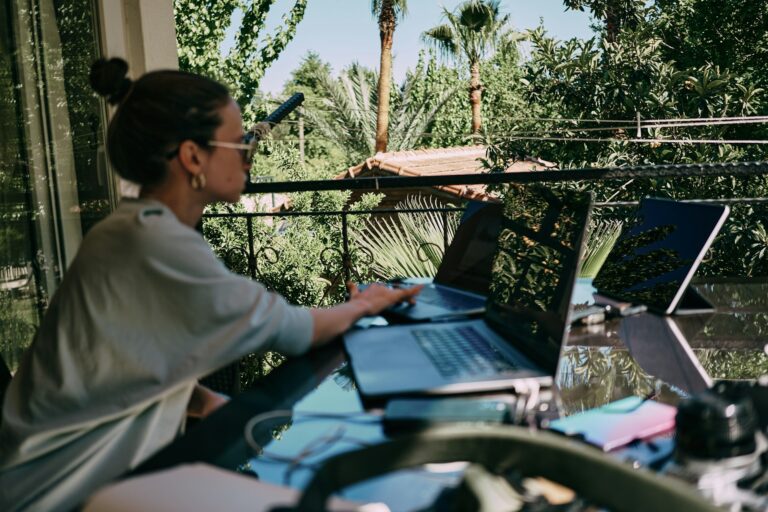
- work remotely,
- or launch a startup from almost anywhere.
That changes the meaning of geography.
Suddenly, opportunity is no longer locked entirely inside Lusaka or Johannesburg or Nairobi.
And that shift could completely redefine smaller towns across Africa.
Places like Serenje may become more important in the future precisely because they avoided becoming over-engineered too early.
There’s still room to build intelligently.
Still room to preserve identity.
Still room to modernize without becoming emotionally hollow.
Because one of the biggest mistakes many developing places make is assuming modernization means copying foreign urban aesthetics without understanding the deeper social consequences.
You can build modern infrastructure without destroying cultural soul.
Serenje still has that chance.
And culture matters more than economists often admit.
A place without identity eventually becomes psychologically fragile. People stop feeling connected to where they live. Communities weaken. Everything becomes transactional.
But Serenje still carries cultural grounding.
You can feel it in the people.
In the pace of life.
In the environment itself.
There’s still connection between past and present there.
That balance becomes increasingly rare in modern society.
Especially in the internet era where global culture moves so aggressively that local identity often disappears underneath algorithms and trends.
But towns like Serenje remind you that Zambia is larger than its urban image.
The country’s deeper heartbeat often exists far away from national headlines.
And honestly, there’s something beautiful about that.
Because not every meaningful place needs constant attention.
Some places grow quietly.
Some places preserve sanity quietly.
Some places hold cultural memory quietly.
Serenje feels like one of those places.
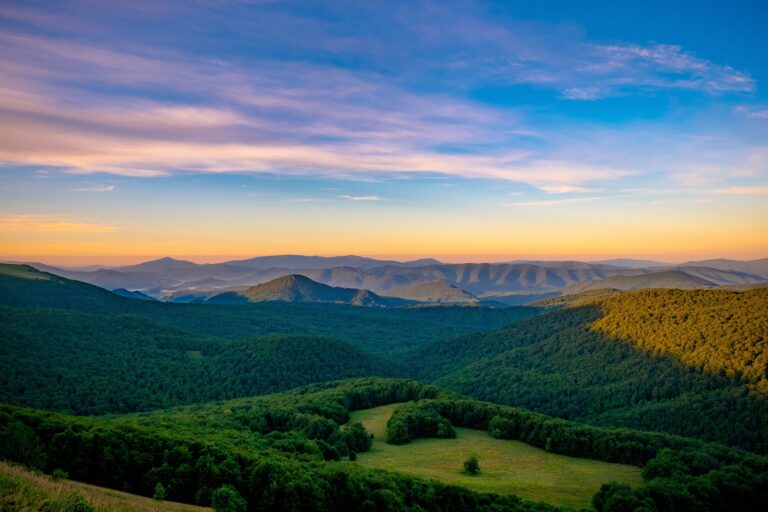
Even the landscapes around the area contribute to that feeling. There’s openness there — physical openness and psychological openness. The environment does not constantly compress you the way giant cities do.
That affects how people think.
Urban overstimulation changes human behavior. People become impatient. Distracted. Emotionally fragmented. Long-term thinking becomes harder because survival pressure dominates attention.
But quieter environments can produce deeper focus.
And in the future knowledge economy, focus becomes a superpower.
That’s another reason smaller towns may become unexpectedly valuable in coming decades.
The future may belong not only to places with the biggest buildings, but also to places capable of sustaining human clarity.
Serenje has some of that clarity.
And maybe people overlook it because modern culture struggles to recognize quiet value.
Everything today must appear dramatic to gain attention.
Loud branding.
Loud success.
Loud lifestyles.
Loud ambition.
But real transformation is often quieter in the beginning.
A student studying online late at night.
A farmer experimenting with new methods.
A creator uploading videos from a small room.
A young entrepreneur building a business with limited resources.
A community slowly adapting to technology.
These small invisible moments eventually shape the future.
And they are happening in towns like Serenje right now.
That’s why exploring Serenje is not only about geography.
It’s about perspective.
The town forces you to rethink what progress actually means.
Does progress only mean bigger buildings?
More traffic?
More consumerism?
More noise?
Or can progress also mean:
- preserving humanity,
- maintaining community,
- building sustainable opportunity,
- and modernizing without losing identity?
That question matters for Africa.
Because the continent is urbanizing rapidly. Millions of young people are moving into cities every year. But if every town abandons its cultural foundation chasing imported models of development, something important could disappear.
Places like Serenje offer another possibility.
A slower, more grounded form of progress.
Not anti-modern.
Not anti-technology.
But balanced.
And balance may become one of the most valuable resources of the future.
Especially in a world becoming increasingly overwhelmed by speed.
Most travelers passing through Serenje may never think about any of this. They may simply see another provincial town.
But history repeatedly shows that overlooked places often become important later.
Before transformation becomes visible, it usually exists first as quiet potential.
And Serenje feels full of quiet potential.
The kind people only notice after change has already begun.
Maybe one day the town will become nationally recognized for innovation, agriculture, tourism, media, or entrepreneurship. Maybe it will grow into something larger than people currently imagine.
Or maybe its greatest strength will remain the very thing that makes it underrated now:
its ability to stay human in a world becoming increasingly artificial.
Either way, Serenje matters.
Not because it is trying to become the loudest place in Zambia.
But because it reminds people that there is still a Zambia beyond the big cities.
A Zambia that still breathes differently.
Still thinks differently.
Still feels real.