
Beyond Nshima: Zambia’s Love Affair with Global Cuisine

By Derek Mwale
There is a moment — subtle, almost unnoticeable — when a culture begins to stretch beyond itself.
Not to abandon what it is, but to explore what else it could become.
In Zambia, that moment is happening on the plate.
For generations, food here has been grounded in tradition. Nshima, served with carefully prepared relishes, has long been the center of gravity — a symbol of identity, of home, of continuity. It is the taste of childhood, of family gatherings, of stories told under fading evening light.
But something interesting is happening now.
Zambia is tasting the world.
The Shift: From Familiar to Curious
It didn’t happen overnight.
There was no single moment when Zambians collectively decided to embrace global cuisine. Instead, it came in waves — quiet at first, then undeniable.
A pizza place opened here. A Chinese restaurant appeared there. An Indian kitchen introduced spices that felt foreign yet strangely familiar.
At first, these foods were novelties.
Something you tried once, maybe twice. Something reserved for special occasions or curious weekends.
But over time, curiosity turned into comfort.
Now, it’s not unusual to hear someone say, “Let’s get pizza tonight,” or “I’m craving Chinese.”
And just like that, the global became local.
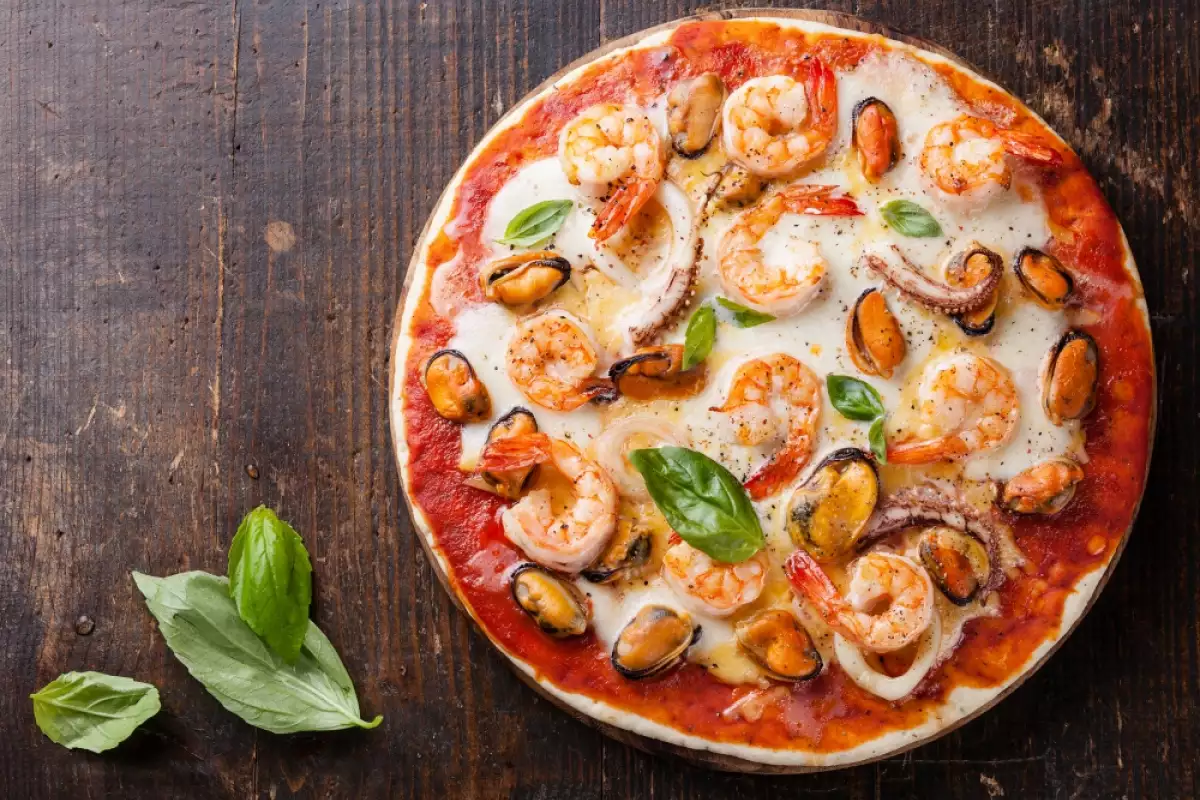
The Pizza Effect: Simplicity Meets Universality
There’s a reason pizza travels well across cultures.
It’s simple. Dough, sauce, cheese — a foundation that invites creativity.
In Zambia, pizza has found a unique home.
It’s not just about replicating Italian tradition; it’s about adaptation. Toppings reflect local preferences. Portions are shared among friends and family, turning meals into social experiences.
Pizza here isn’t just fast food.
It’s a symbol of modern urban life — casual, accessible, and deeply communal.
And maybe that’s why it works.
Because at its core, it aligns with something Zambians already understand: food is meant to be shared.
The Spice Route: Indian Cuisine’s Quiet Influence
If pizza is about comfort, Indian food is about depth.
There’s something almost philosophical about Indian cuisine — the way spices layer upon each other, creating flavors that unfold slowly, deliberately.
In Zambia, Indian food feels both foreign and familiar.
Groundnuts, vegetables, slow-cooked stews — these are not new concepts. But the spices — cumin, turmeric, garam masala — introduce a new dimension.
Dishes like butter chicken, biryani, and samosas have found a place in the Zambian palate, not as replacements for local food, but as companions.
They offer something different.
Something richer, more complex.
And in a country that already appreciates layered flavors, that complexity is welcomed.
The Precision of Flavor: Chinese Cuisine
Chinese food brings something else entirely.
Balance.
Sweet and sour. Soft and crunchy. Light and rich — all in one bite.
It’s a cuisine built on contrast, on harmony between opposites.
In Zambia, Chinese restaurants have become go-to spots for gatherings — birthdays, business meetings, casual dinners that turn into long conversations.
There’s something about a table filled with shared dishes — noodles, fried rice, stir-fried vegetables, glazed meats — that feels right.
It mirrors the communal nature of Zambian dining.
Different flavors, different textures, all coming together in one place.
Just like people.
The Luxury Experience: Seafood and Fine Dining
Then there’s the other side of global cuisine — the aspirational side.
Lobsters, prawns, and premium seafood dishes represent more than just food. They represent access. Experience. A glimpse into a world that once felt distant.
In cities like Lusaka and Ndola, fine dining restaurants are redefining what it means to eat out.
These spaces are curated. Intentional. Designed to offer not just a meal, but an experience.
And yet, even here, something remains unchanged.
The appreciation.
Because whether it’s nshima or lobster, the act of enjoying food — truly enjoying it — is universal.
The Youth Factor: A Generation Without Borders
If there’s one force driving Zambia’s love affair with global cuisine, it’s the youth.
A generation raised on the internet. On social media. On exposure to cultures far beyond their immediate environment.
They see food differently.
For them, trying sushi, ordering pizza, or exploring Indian cuisine isn’t unusual. It’s normal.
It’s part of a broader identity — one that is both local and global.
They are just as comfortable eating nshima as they are using chopsticks.
And that duality is powerful.
Because it means Zambia isn’t losing its identity.
It’s expanding it.
The Business of Taste: Opportunity in Every Bite
Where there is demand, there is opportunity.
The rise of foreign cuisine in Zambia isn’t just a cultural shift — it’s an economic one.
Entrepreneurs are opening restaurants, experimenting with fusion concepts, creating menus that blend local and global influences.
A pizza topped with local ingredients. An Indian dish adapted to Zambian tastes. A Chinese-inspired meal infused with regional flavors.
This is where innovation lives.
At the intersection of tradition and exploration.
And for a country with a growing urban population and an increasingly curious consumer base, the potential is enormous.
Food is no longer just sustenance.
It’s business. It’s creativity. It’s a gateway to something bigger.
The Tension: Tradition vs Evolution
But every shift comes with questions.
What happens to traditional food when global cuisine takes center stage?
Is there a risk of losing something essential?
These are valid concerns.
Because culture is fragile. It can be diluted if not preserved.
But here’s the truth:
Zambia’s relationship with food is too deeply rooted to be erased.
Nshima isn’t going anywhere.
If anything, the rise of global cuisine is reinforcing its importance — reminding people of where they come from, even as they explore where they can go.
It’s not about replacement.
It’s about coexistence.
The Deeper Story
What’s really happening in Zambia isn’t just about food.
It’s about openness.
A willingness to engage with the world. To learn from it. To taste it — literally and metaphorically.
It’s about a country finding its place in a global conversation while holding onto its voice.
Because food, at its best, is communication.
It tells stories. It bridges gaps. It creates understanding.
And in a world that often feels divided, that matters.
Final Reflection
Beyond nshima lies a world of flavor.
Pizza that brings people together. Indian spices that deepen the experience of taste. Chinese dishes that celebrate balance. Seafood that elevates dining into something memorable.
But beyond all of that lies something even more important:
Choice.
The ability to choose what to eat, what to try, what to experience.
And in that choice, Zambia is writing a new chapter.
Not one that replaces the old, but one that builds upon it.
Layer by layer. Flavor by flavor.
So yes, Zambia still eats nshima.
But now, it also eats the world.
And in doing so, it reminds us of something simple, yet profound:
You don’t have to leave home to explore.
Sometimes, all you have to do is take a bite.


