Ndola City: The Copper Glow of Zambia

By Derek Mwale
Ndola isn’t just a city — it’s a rhythm. A heartbeat that thumps slow in the morning and speeds up when the sun hits the copper roofs. It’s the kind of place where every corner tells a story, every taxi driver is a philosopher, and every hustle has its own soundtrack.
People from Lusaka call it “quiet,” but that’s only because they don’t listen closely enough. Ndola talks in subtle tones — the hum of the trucks on the Great North Road, the laughter from Chifubu market, the distant beats from a backyard studio where some kid is cooking the next hit song.
This city taught me patience and pride. You see, Lusaka might have the lights, but Ndola has the roots. There’s a calm confidence here — a way people move that says, “We may not rush, but we rise.”
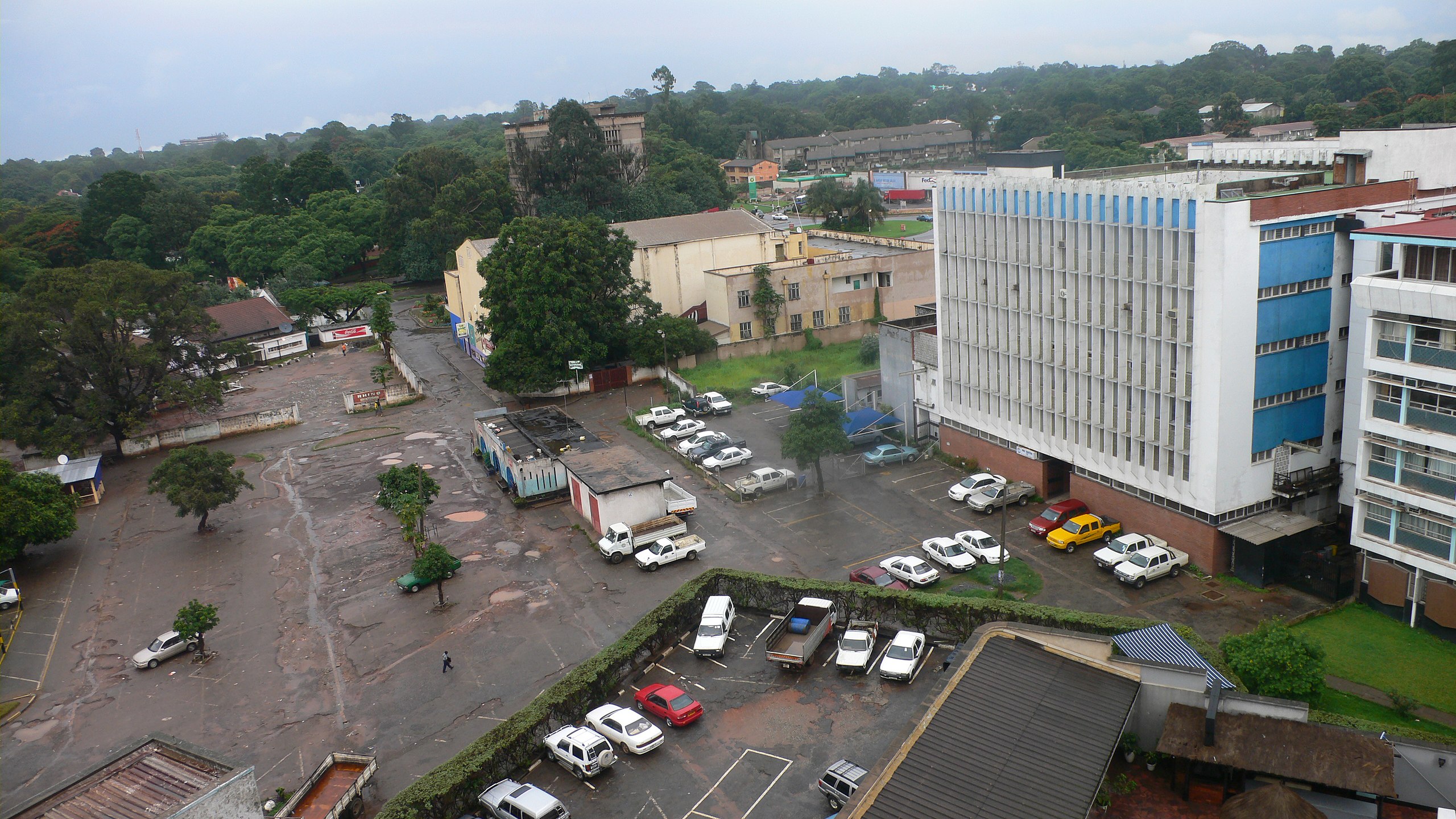
Walk down Independence Avenue and you’ll feel it. Old buildings standing tall like elders watching over the new generation. The copper dust in the air reminds you — this city fed Zambia before malls and influencers became a thing. This is the land where hands worked, where dreams had sweat on them.
But don’t get it twisted — Ndola isn’t stuck in the past. There’s a new energy brewing. Young people are waking up. You’ll see it in the cafés around town, in the music scene that’s slowly catching fire, in the tech kids turning internet cafés into innovation hubs. It’s a quiet revolution — one powered by creativity and resilience.
I once heard someone say Ndola is “sleeping.” Maybe that’s true. But the thing about sleepers is — they wake up. And when Ndola wakes up fully? Zambia won’t be ready.
Because beneath that calm surface is something raw and powerful. A city that remembers where it came from but isn’t afraid to chase where it’s going.
So yeah — Lusaka might be loud. It might shine brighter. But Ndola? Ndola glows — steady, humble, and unshakable. The kind of glow that lasts through generations.
That’s home.
Ndola vs Lusaka: The Tale of Two Zambian Cities
They say Zambia has one heart, but two different beats — one from Ndola, one from Lusaka.
Same country, different energies. Same flag, different flavors.
Lusaka moves fast — like it’s always running late for something big. It’s a city that never sleeps, only recharges with a cup of cappuccino and another dream. Money talks loud here, and if you’re not careful, it’ll drown out your peace. You’ll find everyone chasing something — clout, coins, or connection. It’s the land of motion.
But then there’s Ndola — the city that doesn’t rush to impress. The city that watches, learns, and builds silently. It’s not lazy; it’s measured. The streets breathe slower. The people talk softer. Yet behind that calm lies a strength that Lusaka sometimes forgets — patience.
See, Lusaka is like that first-born child — always leading, always proving a point.
Ndola is the middle child — quiet but observant, humble but hungry.
In Lusaka, dreams look like high-rise buildings and endless traffic.
In Ndola, dreams smell like rain on red soil and sound like music echoing from a small studio window.
Lusaka teaches you how to survive.
Ndola teaches you how to stay human.
But the truth is, these two cities need each other.
Lusaka gives you the fire — that push to move, to grind, to rise.
Ndola gives you the grounding — that reminder of who you are when the fire gets too hot.
The future of Zambia? It’s in both beats syncing.
When Lusaka’s speed meets Ndola’s soul, something unstoppable is born.
That’s when Zambia starts not just to grow, but to glow.
So next time someone says “Ndola is quiet” — smile.
Because silence is where power gathers before it speaks.
And when Ndola speaks, the whole country listens.
The Rise of the Copperbelt Spirit
They called it the Copperbelt because it shined — not just from the metal underground, but from the people above it. The miners, the dreamers, the hustlers — all molded by heat, pressure, and hope.
Now, that same spirit is rising again.
But this time, it’s not just copper coming out of the ground — it’s creativity, tech, and culture.
See, the Copperbelt is different. We’ve seen hard times, and we’ve built strength from them. When the mines slowed down, people didn’t fold — they shifted. The same hands that once carried ore are now building apps, studios, and startups. The same drive that once fueled shifts underground is now powering digital hustles above it.
Ndola. Kitwe. Chingola. Mufulira.
Cities born from copper, now reborn from code and content.
In Kitwe, there’s a new generation of creators — kids who rap, code, and trade crypto in the same day. They don’t wait for opportunities; they build them from scratch.
In Ndola, street entrepreneurs are turning small kiosks into online brands. They understand that the internet is the new mine — and attention is the new copper.
And here’s the thing: the Copperbelt spirit has never been about noise. It’s about resilience.
We don’t announce — we arrive.
While everyone’s busy looking at Lusaka, the next wave is quietly forming up here — in small cafes, university dorms, and backyard studios. The Wi-Fi might be slow, but the ambition? Untouchable.
Soon, people will realize: the Copperbelt isn’t “the past” — it’s the prototype for Zambia’s next era.
A place where old-school work ethic meets next-gen creativity.
Where mining towns evolve into innovation zones.
Where young people use grit as their startup capital.
We’ve carried Zambia’s economy before — and we’ll do it again.
Only this time, it won’t be with shovels and sweat, but with laptops, lyrics, and legacy.
The Copperbelt doesn’t just rise — it redefines.
And when it does, the whole continent will feel the vibration.
Because what’s being built here isn’t just a comeback — it’s a rebirth.
The Youth Are the New Copper
Once upon a time, Zambia’s wealth came from the ground.
Now, it’s coming from the mind.
We used to dig for copper.
Now we dig for ideas — and trust me, they’re just as valuable.
Walk through any township in Ndola, Lusaka, or Kitwe, and you’ll see it.
Young people turning nothing into something.
A phone and a dream — that’s the new mining kit.
A ring light and Wi-Fi — that’s the new machinery.
We are the generation that doesn’t wait for permission.
We create our own platforms, our own markets, our own noise.
Because the truth is — we are the new copper.
Refined through pressure. Polished through struggle.
Exported through talent.
But here’s the difference — copper runs out.
Creativity doesn’t.
The youth are building things that don’t need permission from anyone — content that travels the world, startups born from dust, ideas forged in hope and Wi-Fi.
Every TikTok skit, every beat made in a bedroom, every app coded in a cyber café — that’s modern-day mining.
Only now, we’re extracting potential, not minerals.
We’re the resource that doesn’t sit in the ground.
We move. We think. We innovate.
And yet, the system still looks at us like we’re “too young.”
Too loud. Too online.
But the future doesn’t need approval — it needs action.
And that’s exactly what this generation brings.
So, when people talk about Zambia’s “next big export,”
They should stop looking underground and start looking around.
Because the new copper doesn’t shine — it glows.
It speaks in code, sings in slang, and hustles with Wi-Fi.
We are the generation that will mine greatness from imagination.
And one day soon, the world will stop asking what Zambia has —
And start asking who Zambia has.
Because the answer will be simple:
A youth so rich in talent, the world won’t be able to afford to ignore us.
Zambia Reloaded — The Future Belongs to the Bold
Every generation gets a moment.
A moment to rise, to rewrite, to rebuild.
This — right now — is ours.
Zambia isn’t sleeping; it’s reloading.
New energy. New voices. New vision.
You can feel it in the music, the code, the street fashion, the slang, the startups.
Something is shifting — quietly but powerfully.
The old Zambia was known for copper and calm.
The new Zambia will be known for creation and courage.
We’re no longer the kids who wait for investors or leaders to “notice” us.
We’re building our own tables, creating our own ecosystems, and breaking every ceiling that tried to box us in.
Because the truth is — we don’t just want jobs.
We want impact.
We don’t just want to survive.
We want to define what survival looks like.
Lusaka’s ambition, Ndola’s wisdom, Kitwe’s grit —
Together, they form something unstoppable.
A network of young dreamers who think like global citizens but move with Zambian soul.
And let’s be real — the future won’t be easy.
But that’s fine. We were raised on resilience.
We know how to build from zero.
We know how to create light even when ZESCO cuts it off.
That’s the Zambian superpower — we find a way.
Always.
So here’s to the ones coding in the dark.
The ones recording music on borrowed mics.
The ones selling, designing, editing, farming, inventing — all fueled by faith and Wi-Fi.
You’re not just hustling — you’re building a legacy.
The world doesn’t know it yet,
But the next wave of African greatness won’t come from Lagos or Nairobi —
It’ll rise from the heart of Zambia.
Because the future doesn’t belong to the rich, or the connected,
It belongs to the bold.
To the ones who dare to dream beyond what they see.
This is Zambia Reloaded —
A country not defined by its past,
But redesigned by its youth.
And when the dust settles, when the glow turns into light —
They’ll finally understand what we’ve known all along:
The new Zambia isn’t coming. It’s already here.