The Untold Story of Kabwe: Zambia’s Historic Hub

By Derek Mwale
If you ask most Zambians about Kabwe, you’ll hear a mix of reactions. Some will mention its mining past. Others will shrug it off as just another stop between Lusaka and Ndola. But that surface-level perception misses something deeper—something powerful.
Because Kabwe isn’t just a town.
It’s a story.
A story of beginnings. Of struggle. Of identity. Of Zambia before Zambia was even Zambia.
And if you look closely, Kabwe might just be one of the most important cities in the country’s history.
Where It All Began
Long before Zambia gained independence in 1964, Kabwe was already making noise—just not the kind most people expected.
Back then, Kabwe was known as Broken Hill. And while the name may sound distant now, it was at the center of one of Africa’s most important mineral discoveries. Lead and zinc deposits turned this quiet settlement into a magnet for colonial investment, labor migration, and industrial growth.
But this wasn’t just about mining.
It was about movement.
People came from all over Zambia—and beyond—seeking opportunity. Tribes mixed. Cultures blended. Ideas spread.
Kabwe became a melting pot before the word “urbanization” was even popular in Zambia.
And in many ways, that diversity laid the groundwork for the Zambia we know today.
The Birthplace of Freedom
Here’s something many people overlook:
Kabwe isn’t just historically important—it’s politically sacred.
In 1960, a pivotal moment happened right here in Kabwe—the Kabwe Conference. This wasn’t just another meeting. It was the turning point in Zambia’s independence movement.
Leaders gathered. Strategies were formed. A vision for a free nation was shaped.
It was in Kabwe that the United National Independence Party (UNIP), led by Kenneth Kaunda, solidified its push for independence.
Think about that for a second.
The blueprint for Zambia’s freedom wasn’t finalized in Lusaka.
It happened in Kabwe.
That alone should change how you see this city.
The Rise, The Fall, The Reality
Like many historic cities, Kabwe has seen both glory and decline.
During its peak mining years, it was one of the most industrially active towns in the region. Jobs were available. Infrastructure was growing. The economy was moving.
But when the mines slowed down, everything changed.
Unemployment rose. Opportunities shrank. The city had to redefine itself.
And this is where most narratives stop—they paint Kabwe as a “fallen city.”
But that’s not the full story.
Because what people often miss is this:
Kabwe didn’t die.
It adapted.
The Kabwe Hustle
If you really want to understand Kabwe today, don’t just look at statistics.
Walk the streets.
Talk to people.
You’ll notice something instantly—the hustle is real.
From small market traders to young entrepreneurs building online businesses, Kabwe is quietly evolving. It may not have the flashy tech hubs of bigger cities, but it has something equally powerful:
Resilience.
People in Kabwe know how to survive—and more importantly, how to build from nothing.
And in today’s Africa, that mindset is everything.
Culture in Motion
Kabwe is one of those places where culture doesn’t sit still—it moves with you.
The languages you hear, the food you eat, the music playing in the background—it’s all layered.
It’s not uncommon to hear multiple local languages in a single conversation. That diversity isn’t forced—it’s natural. It’s part of Kabwe’s DNA.
Local food spots serve everything from traditional Zambian meals to fast, affordable street food that fuels the city’s daily grind.
And the music?
It’s a blend of old-school Zamrock influence and modern Afro-fusion. The kind of sound that tells you this city remembers where it came from—but isn’t stuck there.
The Hidden Spots
Kabwe may not be marketed as a tourist hotspot, but that’s exactly what makes it interesting.
Because when you explore it, you’re not following a script.
You’re discovering.
Places like Mulungushi Rock of Authority hold deep historical significance. This is where political rallies were held during the independence struggle—where voices rose and history shifted.
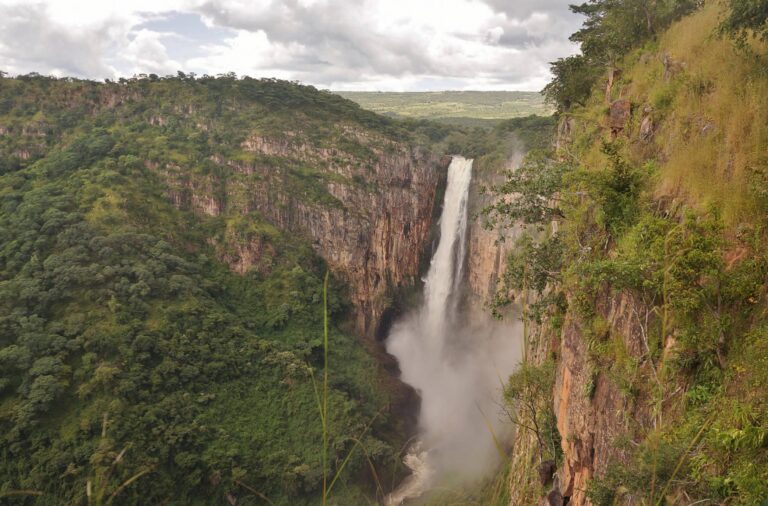
Then there’s the surrounding countryside—quiet, raw, and untouched. The kind of landscapes that don’t need filters.
Kabwe isn’t about polished tourism.
It’s about real experience.
Location Is Power
Let’s talk strategy for a second.
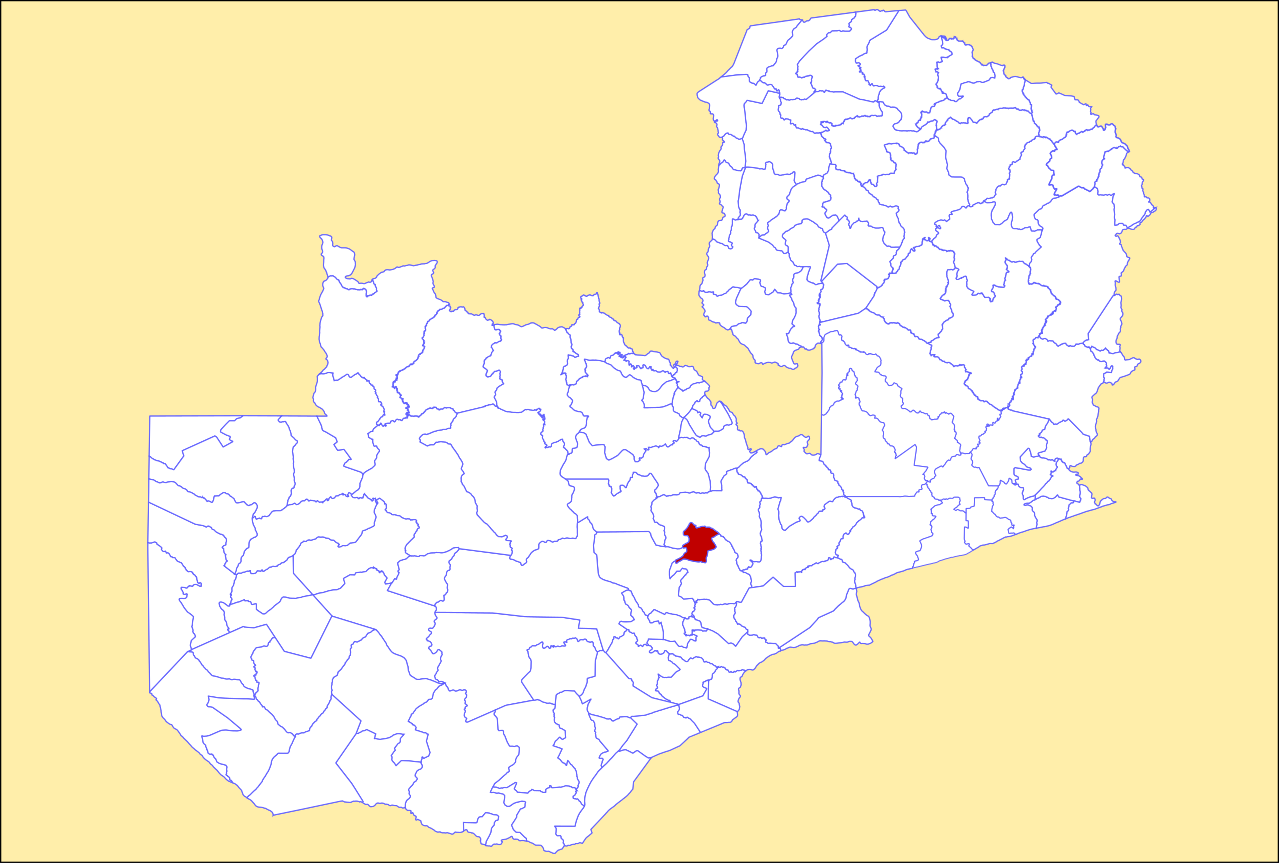
Kabwe sits almost perfectly in the center of Zambia. It’s connected by major roads and railway lines, making it a key transit point.
This positioning isn’t accidental—it’s part of why Kabwe became important in the first place.
And in today’s world, where logistics and connectivity matter more than ever, that central location is still a massive advantage.
Imagine what could happen if that potential is fully unlocked.
The Future Nobody Is Talking About
Here’s the part most people miss.
Kabwe is not just about history.
It’s about what comes next.
With the rise of digital tools, remote work, and decentralized business models, cities like Kabwe have a unique opportunity.
Lower cost of living. Central location. A population that understands hustle.
That’s a powerful combination.
The next wave of African innovation won’t only come from major capitals.
It will come from overlooked cities—places where people are hungry enough to build something new.
Kabwe fits that description perfectly.
Why Kabwe Matters More Than You Think
It’s easy to overlook Kabwe.
It doesn’t trend on social media. It doesn’t dominate headlines.
But sometimes, the most important places are the quiet ones.
The ones that shaped the past—and are quietly preparing for the future.
Kabwe is one of those places.
It gave Zambia a foundation during its fight for independence.
It survived economic shifts that could have broken it.
And today, it stands as a reminder that value isn’t always loud.
Sometimes, it’s hidden.
Final Thoughts: The Real Kabwe
If you go to Kabwe expecting luxury tourism, you might be disappointed.
But if you go looking for meaning—for history, resilience, and authenticity—you’ll find something much deeper.
You’ll find a city that refuses to be defined by its past.
A city that carries the weight of history but still moves forward.
A city that, in many ways, represents Zambia itself.
So the next time someone asks you about Kabwe, don’t just call it a mining town.
Tell them the truth.
Tell them it’s where Zambia found its voice.
Tell them it’s where history was shaped.
Tell them it’s a city that still has stories left to tell.
Because Kabwe isn’t just a place on the map.
It’s a legacy in motion.