

THE FOOD CULTURE IN ZAMBIA

By Derek Mwale
Savoury Stories: Exploring the Food Culture in Zambia
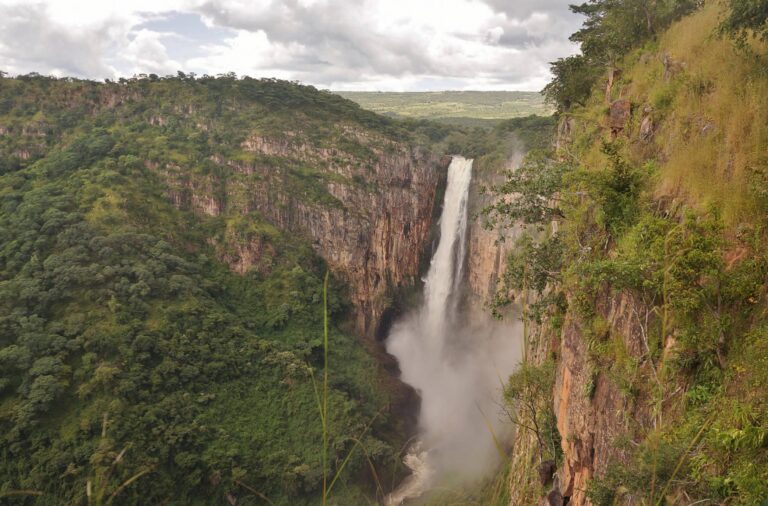
When you think about Zambia, what comes to mind? Perhaps the stunning landscapes of Victoria Falls, the vibrant wildlife of South Luangwa National Park, or the friendly smiles of its people. But here’s another facet that often goes unnoticed: the rich and diverse food culture that tells a compelling story of the country’s history, traditions, and communities. Join me as we delve into the flavors, ingredients, and cooking techniques that make Zambian cuisine not just food, but a heartfelt experience.
A Journey Through Zambian Cuisine
Zambian food is a delightful fusion of local traditions, colonial influences, and the bounty of its natural environment. The foundation of Zambian culinary culture is centered around staple foods that are both accessible and nutritional. In this section, we will examine the core elements that shape the culinary landscape of Zambia.
Staple Ingredients: The Heart of Zambian Meals
At the core of most Zambian dishes is nshima, a thick porridge made from ground maize. Considered a staple across the country, nshima serves as the base for numerous meals and is often complemented by various relishes. Here are some key ingredients:
- Maize: Integral to the Zambian diet, maize can be prepared in several forms, including mealie meal for nshima or corn on the cob.
- Beans: These are a common protein source and come in various varieties like cowpeas and pinto beans.
- Pumpkins and Squash: Not only do they add flavor, but they are also rich in nutrients.
- Leafy Greens: Vegetables like rape (similar to kale) and pumpkin leaves are popular accompaniments that add color and health benefits.
Traditional Dishes That Tell a Story
Zambian cuisine is not just about eating; it’s about sharing and celebrating community. Traditional dishes vary by region, reflecting local preferences and available resources. Let’s explore a few iconic dishes that resonate with Zambians.
Nshima and Its Accompaniments
As mentioned, nshima is central to Zambian dining. It is usually served with various relishes, including:
- Relish of Groundnut Stew: A rich and creamy sauce made from peanuts, this stew is protein-packed and hearty.
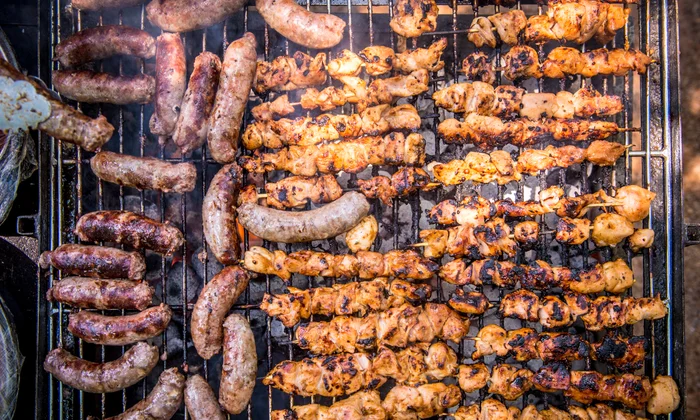
- Fish or Meat with Vegetables: These can include grilled bream from Lake Tanganyika or tender stews made with beef or chicken.
Ifisashi: More than Just Greens
Ifisashi is a traditional Zambian dish made from vegetables (often pumpkin leaves) and groundnuts. This dish showcases the importance of local crops and is often served alongside nshima. It’s a perfect example of how Zambians integrate food and wellness, highlighting that healthy eating is deeply rooted in their culture.
Sweet Treats and Unique Beverages
While savory dishes take center stage, Zambian cuisine also features an array of sweet treats and beverages.
Local Delicacies
- Chikolokoto: A rubbery sweet made from cassava and sugar, often enjoyed during celebrations.
- Kombucha: A fermented drink made from sweetened black tea, there are local variations that have become popular in recent years.
Traditional Beverages
- Munkoyo: A drink made from the root of the Siphonia tree, this mildly alcoholic beverage is a staple during gatherings and celebrations.
- Zambia’s Local Beers: Traditional brews like Chibuku are made from maize and sorghum, often enjoyed in social settings.
Social Aspects of Zambian Eating Habits
Food in Zambia is more than mere sustenance; it plays an integral role in social gatherings and cultural expressions. Let’s take a closer look at how food brings people together.
Celebrating with Food
Zambians love to celebrate with feasts, whether it’s during weddings, funerals, or traditional ceremonies. Often, these events feature large quantities of traditional dishes, where hospitality shines through. Guests are typically served platefuls of nshima, relishes, and meats, signifying generosity and community spirit.
Farmers’ Markets and Local Sourcing
Visiting local markets is more than just shopping; it’s part of the cultural experience. Fresh produce, spices, and even handcrafted cookware can be found at places like Lusaka’s Soweto Market. Engaging with local vendors not only supports the community but allows for the discovery of seasonal ingredients that form the backbone of Zambian meals.
“Food has a way of reminding us of where we come from. In Zambia, every meal tells a story of community, family, and tradition.”
Conclusion: The Flavorful Essence of Zambia
Zambia is a country where food is a celebration of life and culture. Through its various dishes, we uncover stories of resilience, community, and love for the land. Whether you’re tasting the rich flavors of a traditional meal or engaging in the lively atmosphere of a local market, Zambian food culture offers a truly immersive experience.
So, the next time you think about Zambia, remember that its richness goes beyond scenic landscapes — it lives vibrantly through its mouthwatering dishes and warm-hearted people. If you’re inspired, consider exploring Zambian recipes or connecting with a local restaurant to experience these incredible flavors for yourself.
Call to Action
Have you ever tried Zambian food? What dishes intrigue you the most? Share your thoughts in the comments, or even plan a culinary adventure to taste Zambian delights firsthand!
For those eager to dive deeper into Zambian culture, book your next vacation here and discover how food plays a role in their rich heritage.



There is a soft luminescence in your sentences, where meaning and emotion coexist naturally, leaving the reader with a lingering sense of calm clarity and introspective resonance.