The Rise of Slow Travel in Zambia

By Derek Mwale
There is a quiet rebellion happening in the way people travel.
It doesn’t make headlines. It doesn’t trend on social media in the same way fast, flashy destinations do. It doesn’t come with urgency or hype.
It comes with something else.
Stillness.
And in Zambia, that stillness is beginning to feel like the future.
The Age of Fast Everything
We live in a world built on speed.
Fast internet.
Fast food.
Fast travel.
We move quickly, not just because we want to, but because we feel like we have to. There’s always another place to see, another experience to tick off, another photo to capture before moving on to the next.
Travel, once about discovery, has quietly become consumption.
How many countries have you visited?
How many landmarks have you seen?
How many moments have you captured?
We measure experiences the same way we measure productivity—by volume.
More is better.
Faster is smarter.
And somewhere along the way, we stopped asking a simple question:
Are we actually experiencing any of it?
Zambia’s Different Rhythm
Zambia does not move fast.
It never has.
From the vast, open landscapes of Kafue National Park to the raw, untouched beauty of North Luangwa National Park, there is a rhythm here that resists urgency.
The land stretches, unhurried.
The rivers flow, steady and patient.
The wildlife moves not with chaos, but with intention.
Even time feels different.
Days are not packed with endless activities. They unfold. Slowly. Naturally. Without pressure.
And for travelers used to constant movement, this can feel unfamiliar.
At first.
The Discomfort of Slowing Down
Slow travel is not immediately comfortable.
Because when you remove the distractions—the packed itineraries, the constant movement, the endless stimulation—you are left with something most of us avoid:
Space.
Time to think.
Time to notice.
Time to feel.
And in that space, your mind doesn’t always relax right away. It resists. It looks for something to do, something to consume, something to fill the silence.
But Zambia doesn’t rush to accommodate that discomfort.
It waits.
And slowly, something begins to shift.
From Seeing to Experiencing
There is a difference between seeing a place and experiencing it.
Seeing is quick.
You arrive, you observe, you take a photo, you leave.
Experiencing is slower.
It requires time. Attention. Presence.
In Zambia, slow travel turns moments into experiences.
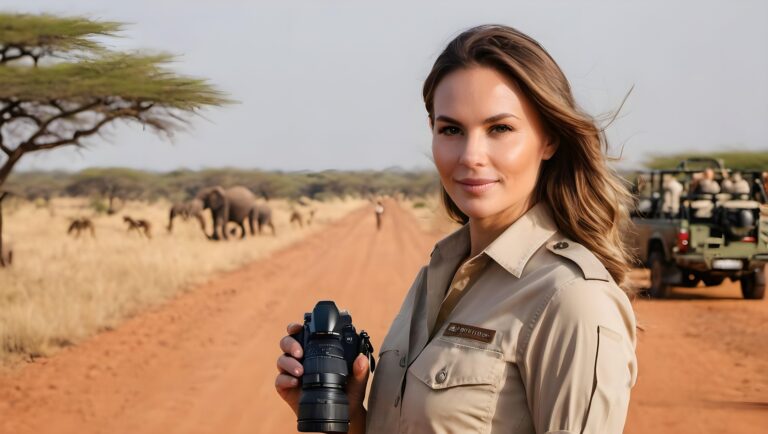
A safari is no longer about spotting as many animals as possible. It becomes about understanding movement, behavior, the subtle interactions between species. You sit longer. You watch deeper. You begin to notice patterns.
A river is no longer just a scenic backdrop. It becomes a living system—something you can sit beside, listen to, feel.
Even something as simple as a walk through the bush transforms. It is no longer about reaching a destination, but about the act of walking itself. The texture of the ground beneath your feet. The sound of wind through trees. The rhythm of your own breath.
Nothing is rushed.
And because of that, everything feels richer.
The Luxury of Time
In many parts of the world, luxury is defined by excess.
Bigger rooms.
More amenities.
More options.
But in Zambia, a different kind of luxury is emerging.
Time.
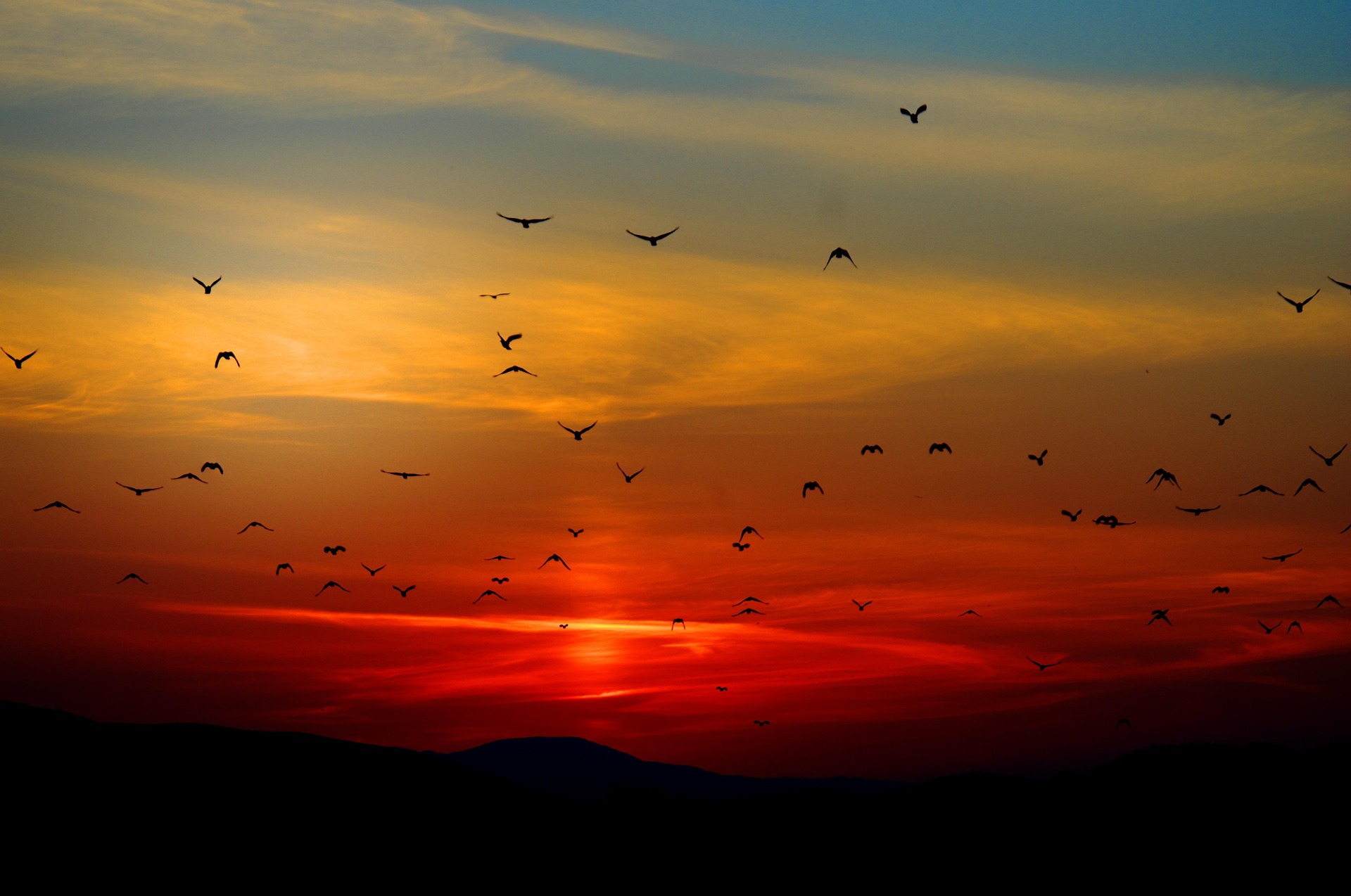
Time to sit and watch the sunset without needing to move on to the next activity.
Time to have a conversation that isn’t cut short by schedules.
Time to wake up naturally, without alarms, and let the day unfold.
This is not the absence of experience.
It is the deepening of it.
Because when you give something time, it reveals more.
Connection Beyond the Surface
Slow travel creates space for connection.
Not just with places, but with people.
When you stay longer, when you move slower, interactions change. They become less transactional, more meaningful.
You don’t just pass through a community—you begin to understand it. You listen to stories, observe daily life, experience culture in a way that cannot be rushed.
Zambia’s strength has always been its people. Warm, welcoming, grounded. But that warmth is not something you can fully experience in a quick visit.
It requires time.
And slow travel provides it.
Nature Without Interruption
One of the most powerful aspects of slow travel in Zambia is the way it allows you to experience nature without interruption.
In faster travel styles, nature becomes something to consume—something you move through quickly, capturing highlights before moving on.
But in Zambia, nature asks you to stay.
To sit.
To watch.
To listen.
A single watering hole can hold your attention for hours. Not because something dramatic is constantly happening, but because of the subtlety—the way different animals arrive, interact, leave. The way light changes. The way the environment shifts.
It is not about constant action.
It is about continuous presence.
The Return to Simplicity
Slow travel strips away complexity.
It removes the need to constantly plan, to optimize, to maximize.
And in doing so, it brings you back to something simple.
Wake up.
Eat.
Walk.
Observe.
Rest.
Repeat.
It sounds basic.
But within that simplicity lies something profound.
Because when life slows down, you begin to see it more clearly.
What you need.
What you don’t.
What matters.
The Environmental Shift
There is another layer to the rise of slow travel in Zambia—one that goes beyond personal experience.
Sustainability.
Fast travel often comes at a cost. Overcrowding, environmental strain, cultural dilution. The more people move quickly through a place, the more pressure is placed on it.
Slow travel, by contrast, is lighter.
Fewer movements.
Longer stays.
Deeper engagement.
It aligns more naturally with conservation efforts, with the need to protect ecosystems, to preserve the very environments that make Zambia unique.
It is not just better for the traveler.
It is better for the land.
A Different Kind of Memory
When you travel slowly, your memories change.
They are not just snapshots.
They are experiences.
You don’t just remember what you saw—you remember how it felt.
The warmth of the sun as it set over the plains.
The quiet of the early morning before the world woke up.
The sound of distant wildlife in the stillness of the night.
These are not moments you rush through.
They are moments you live in.
And because of that, they stay with you longer.
The Shift Within
Perhaps the most significant impact of slow travel is internal.
It changes the way you move, not just during travel, but after.
You become less rushed.
More patient.
More present.
You begin to question the pace of your everyday life.
Why the urgency?
Why the constant need to move faster, do more, achieve more?
Zambia doesn’t answer these questions directly.
But it shows you another way of existing.
And once you’ve experienced that, it becomes difficult to ignore.
The Future of Travel
Slow travel is not just a trend.
It is a response.
A response to burnout.
To overstimulation.
To a world that feels increasingly fast and disconnected.
And Zambia, whether intentionally or not, is perfectly positioned for it.
Because it has never been about speed.
It has always been about depth.
The Invitation
Not everyone will choose this path.
Some will continue to travel fast, to move quickly, to consume experiences at a rapid pace.
And that’s okay.
But for those who are willing to slow down—to trade quantity for quality, speed for presence—Zambia offers something rare.
A chance to experience travel differently.
Not as a race.
Not as a checklist.
But as a process.
A journey not just through a place, but through a different way of being.
So if you ever find yourself planning a trip, asking how much you can see, how quickly you can move, how efficiently you can experience everything—
Pause.
Consider something else.
What if you saw less…
but experienced more?
What if you moved slower…
and felt deeper?
What if the goal wasn’t to get somewhere quickly…
but to truly be there when you arrived?
Because in Zambia, the magic is not in how much you do.
It is in how deeply you allow yourself to experience it.
And sometimes, the most powerful way to travel forward…
is to slow down.