TRADITIONAL CEREMONIES IN ZAMBIA (CULTURAL HERITAGE)

By Derek Mwale
Celebrating Heritage: The Traditional Ceremonies of Zambia
Zambia is a mosaic of cultures, with over 70 ethnic groups coexisting in harmony. Each group brings its own unique traditions, stories, and ceremonies, creating a rich tapestry of cultural heritage. Throughout the year, various festivals capture the vibrant spirit of the Zambian people, offering glimpses into their historical narratives and social values. In this post, we will explore some of the most notable traditional ceremonies in Zambia, their significance, and what they reveal about the country’s cultural identity.
The Essence of Traditional Ceremonies
Ceremonies play a pivotal role in Zambian society. They are more than mere celebrations; they are vital avenues for expressing cultural values, teachings, and the collective identity of the people. From rites of passage to harvest festivals, these events mirror the history and values of the communities they represent.
The Role of Ceremony in Community Building
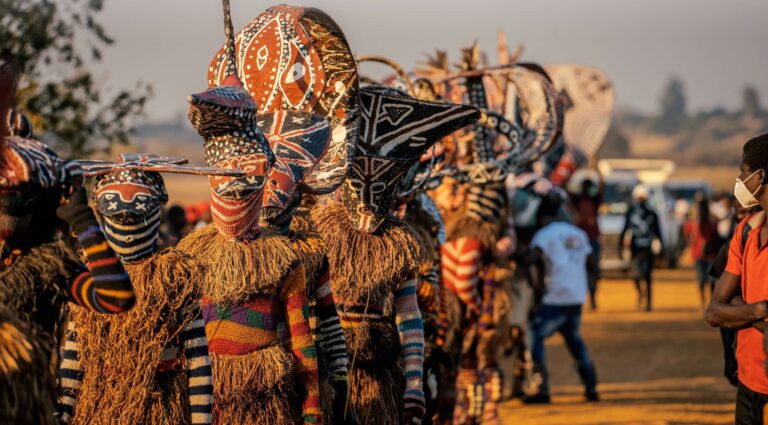
Ceremonies in Zambia foster community spirit. They bring together families, friends, and clans, reinforcing social bonds and shared identities. At these gatherings, individuals participate in rituals that might include singing, dancing, and traditional storytelling.
- Promote Unity: Ceremonies often encourage cooperation, teamwork, and unity among community members.
- Cultural Education: They serve as platforms for passing down traditions and teachings to younger generations.
- Strengthening Identity: Ceremonies reinforce cultural identities, helping communities maintain a sense of belonging.
Celebrated Traditional Ceremonies in Zambia
Zambia hosts a range of traditional ceremonies throughout the year. Here, we delve into some of the most prominent ones.
1. Kuomboka
What is Kuomboka?
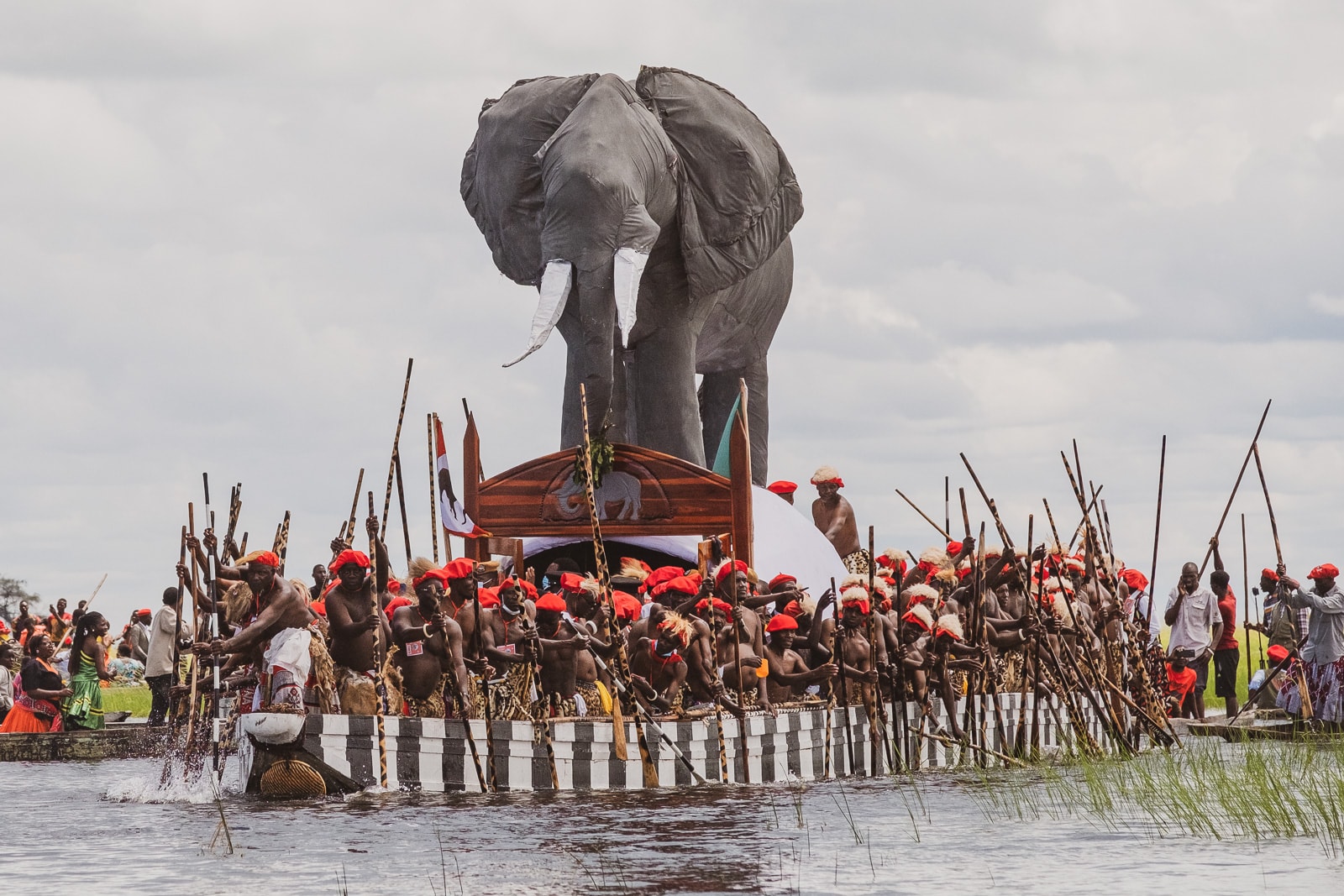
The Kuomboka ceremony marks the annual migration of the Lozi King from his floodplain palace at Lealui to a higher ground at Limulunga. This event, usually held in April or May, signifies the end of the rainy season and the beginning of the dry season.
Highlights of Kuomboka
- Royal Procession: The ceremony features a grand procession with the king and his entourage in a traditional boat called the “Nalikwanda.”
- Cultural Displays: It’s accompanied by traditional dances, songs, and the display of beautiful regalia that showcases Lozi culture.
- Community Participation: Hundreds of people, including locals and tourists, gather to witness the spectacle, strengthening community ties and promoting cultural tourism.
“Kuomboka is a testament to the rich traditions of the Lozi people, celebrating resilience and adaptability in their beautiful landscape.”
2. Nc’wala Festival
Origins of the Nc’wala Festival
Celebrated by the Ngoni people of Eastern Zambia, the Nc’wala Festival takes place in late February. It commemorates the first harvest of the year and pays homage to the ancestors and the earth for the bounty.
Festival Features
- Harvest Celebrations: Communities come together to celebrate the end of the harvest season with traditional foods made from maize, millet, and other crops.
- Rituals and Offerings: People often make offerings of the new crops to the spirits of their ancestors as a sign of gratitude.
- Cultural Performances: The festival is rich in dance and song, with performers showcasing traditional attire and narratives that honor their history.
3. Lwiindi Festival
The Lwiindi Festival Unveiled
Held annually in August by the Tonga people, the Lwiindi Festival focuses on the reverence of the spirit of the fish, which symbolizes prosperity and abundance.
Key Aspects of the Festival
- Rainmaking Ceremony: The event involves rituals to invoke rains for the upcoming planting season, emphasizing the importance of agriculture to the community.
- Traditional Rites: Reflects on the unique connection between the Tonga and their natural environment.
- Collective Joy: The ceremonies involve the entire community, encompassing song, dance, and feasting, thereby promoting a shared sense of joy and hope.
The Impact of Traditional Ceremonies on Modern Zambia
As Zambia navigates the complexities of modernity, traditional ceremonies serve as vital links to the past, creating a sense of continuity even as the world evolves. They unite communities, reminding individuals of their roots, values, and the wisdom of their ancestors.
The Modern Relevance of Traditional Ceremonies
Today, traditional ceremonies have started to attract tourists, contributing to Zambia’s economy. They not only offer economic opportunities but also foster cultural dialogue and recognition in an increasingly globalized world.
- Cultural Preservation: These events are essential for preserving linguistic diversity and customs, protecting them from being overshadowed by modernization.
- Tourism Boost: Tourists interested in experiencing Zambian heritage are drawn to these ceremonies, thus promoting cultural tourism.
“In a world that’s ever-changing, it is these ceremonies that help us remember who we are and where we come from.”
Conclusion
Zambian traditional ceremonies provide a vibrant lens through which we can explore the country’s rich cultural heritage. They are reflections of communal values, historical narratives, and spiritual beliefs that have been passed down through generations. Whether through celebrating the harvest or honoring royal customs, these gatherings are essential for shaping Zambian identities.
As you explore these captivating traditions, consider visiting Zambia during one of its celebrated ceremonies. Not only will you be witnesses to the spectacular displays of culture, but you will also contribute to the ongoing narrative of a nation proud of its heritage.
By seeking a deeper understanding of traditional ceremonies, we acknowledge the past while embracing the future, enriching our lives through cultural appreciation and connection.